2014/07/28 — Monday

[This blog entry was not completed during our last days in Guam, so have decided to publish it now, even though it is late!]

This morning, using the lathe and less than $1 worth of plastic, I made a bushing to replace the one that failed at the bottom of the gear shift lever in the Toyota Highlander (see our blog entry for “2014/07/19 — Saturday.”  I made the bushing to be a force fit, so hopefully it won’t come out of its place.  It ‘popped’ into position using pliers and worked nicely — a lot cheaper repair than the $400 for a replacement cable, plus the labor required to remove the cable and reinstall the new one!

At noon, the TWR Guam staff had a farewell dessert for us at  the transmitter site, since we will be leaving in less than two days.

Kathy and Joanna setting up the dessert table.

Kathy and Joanna setting up the dessert table.

Between rain storms I helped with making parts for connecting the antenna switches.

The 30 kilowatt inverter for the solar panel arrived arrived about quitting time via FedEx.  There was some cosmetic damage to the housing, but it should be useable.
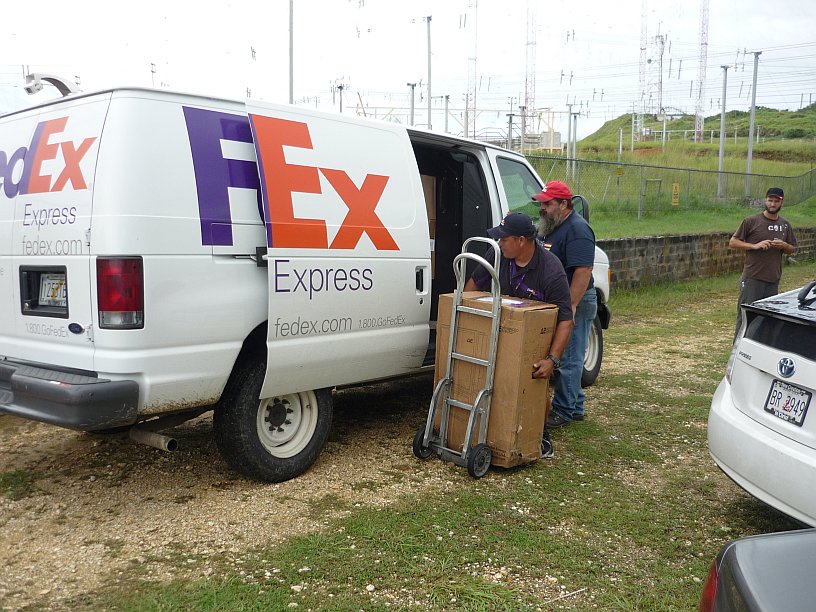
The 30kw inverter is so light that the FedEx delivery man offloads it himself!  Jim and Joel were there to help, but not needed.

The 30kw inverter is so light that the FedEx delivery man offloads it himself! Jim and Joel were there to help, but not needed
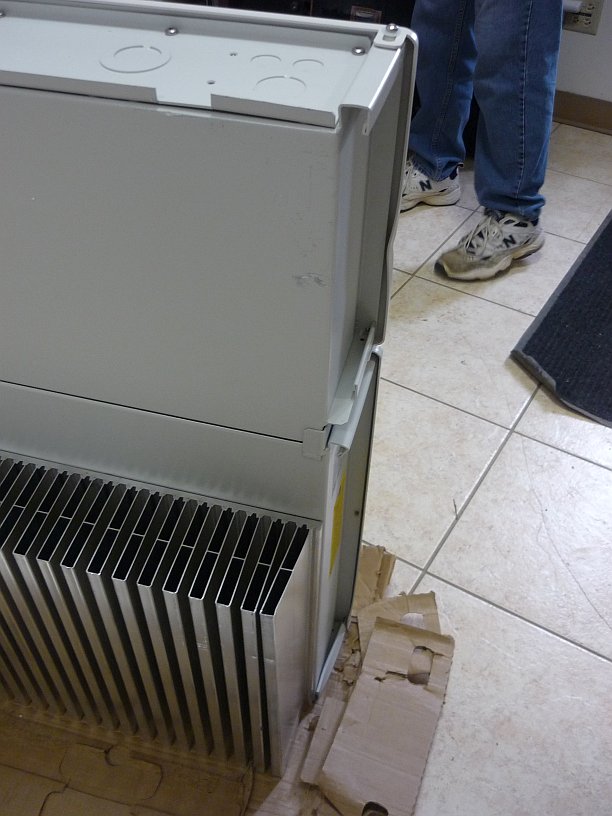
Due to poor packing materials, the inverter suffered some dents and scraps during shipment.

Due to poor packing materials and methods, the inverter suffered some dents and scraps during shipment.

The shipping company did not pick up the 40 foot containers (with old transmitters) today, so it will not be possible for them to make it onto the ship departing this week.  [In answer to the prayers of many these containers were finally picked up on August 7, a week after we were back in Elkhart].

2014/07/27 — Sunday — Chaguian & Pacific War Museum

[This partial blog entry was not completed during our last days in Guam, so have decided to publish it although incomplete]

We arrived a little early for the services at Harvest Baptist.  One of the men ran to our car with an umbrella to escort us through the rain from the parking lot to the church.

Men's quartet singing, "God Leads Us Along"

Men’s quartet singing, “God Leads Us Along”

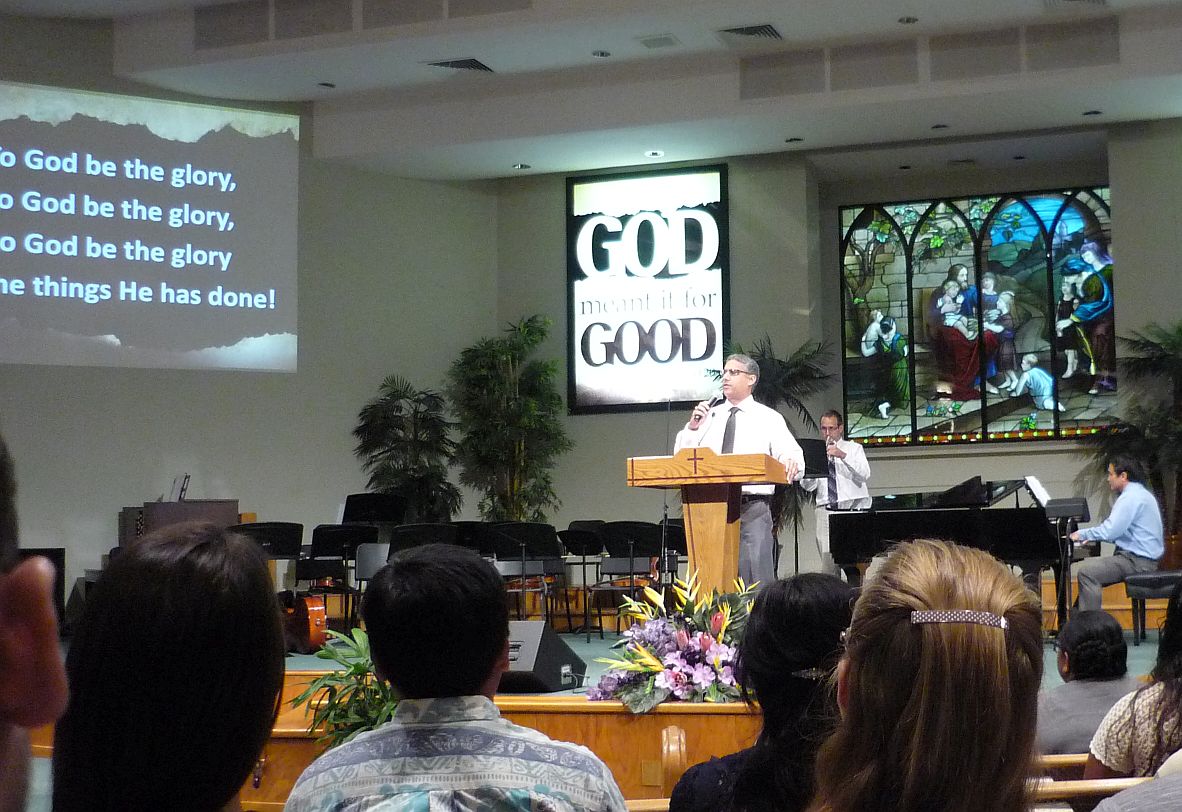
Pastor Pena sang "To God Be the Glory."  This is his last Sunday, as he and his family are moving to the Dominican Republic for ministry there.

Pastor Pena sang “To God Be the Glory” with trumpet and piano accompaniment.  This is his last Sunday, as he and his family are moving to the Dominican Republic to be in ministry there.

After church, Marie invited us to lunch with her at TuRe Cafe — http://turecafe.com Unfortunately, we could not sit outside at the beach-side tables due to the rain and wind.  Marie is the first person who befriended us the first Sunday at Harvest Baptist.  We had a wonderful time getting to know her better.  We found out that she grew up in the village of Inarajan, where we visited yesterday.

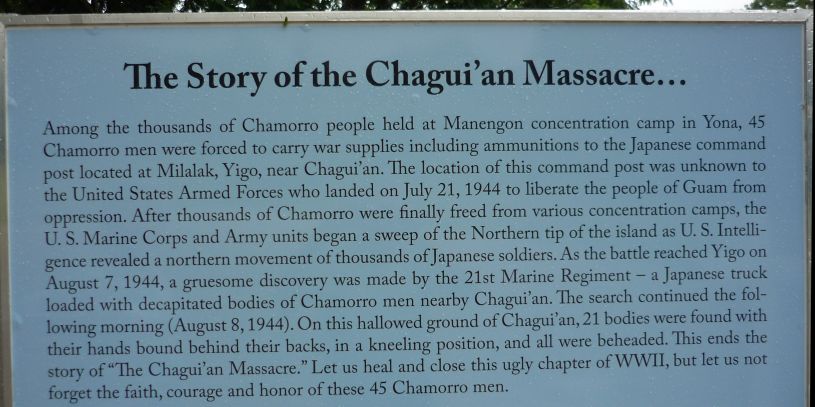
We took Marie home, since she does not drive, then went to visit the Chaguiam massacre site.  The massacre was only discovered 10 years ago and the first memorial service was in 2008–  http://mvguam.com/component/content/article/128-chaguian-the-forgotten-massacre.html

Thanks to a boyscout and his father’s efforts, the site had a memorial and signs.  Of all the massacre sites, this one is the easiest to find.

Chaguian Memorial Cross

Chaguian Massacre Site memorial cross

Since this sign was originally made the names of the two unknown victims have been found.

140727 -- ChaguianSignWe got the the Pacific War Museum (located on Route 6 about 300 yards off Marine Corp Drive) less than an hour before the 4pm closing.  It is well worth the $3 entrance fee.

The Pacific War Museum entrance fairly attractive considering the front wall is two shipping containers.

The Pacific War Museum entrance is fairly attractive, considering that the front wall is two shipping containers.

140727 -- PWMentrance2

Pacific War Museum

2014/07/26 — Saturday — Inarajan

The rainy season has definitely come to Guam, but we are still trying to visit the sites whenever possible.

Since this is our last weekend here, this is our last chance to visit the Village of Inarajan at the far south end of Guam.  This website gives excellent background information on the village — http://www.guampedia.com/inarajan-inalahan/

Some of our photos are lacking in clarity as a result of the very rainy weather:

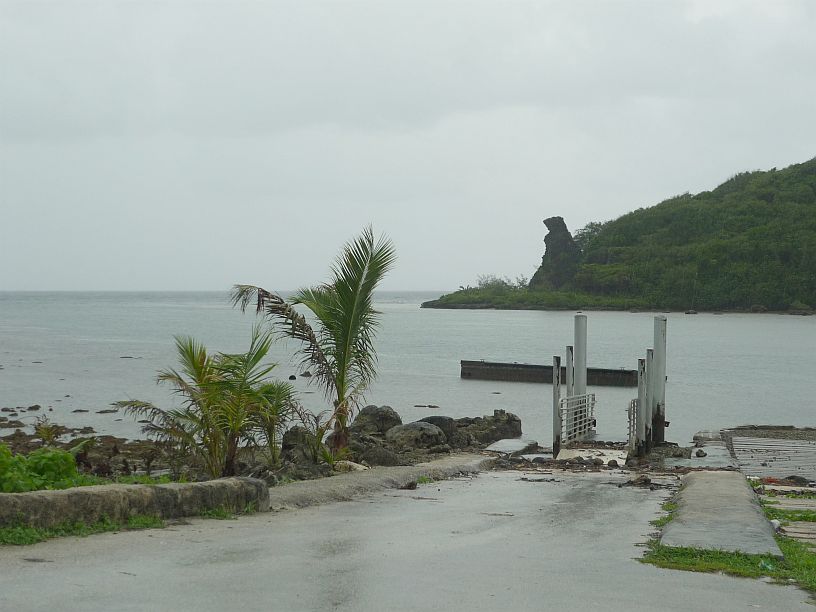
Bear Rock at Agfayan Bay -- the Agfayan boat ramp is in the foreground.

Bear Rock at Agfayan Bay about 1/2 mile SW of Inarajan on route 4– the Agfayan boat ramp is in the foreground.

Salaglula Pools at Inarajan are natural pools.  Last time we drove by, also during rain, there were children diving from the high platform a the light pole.

Salaglula Pools near Inarajan are natural pools. These are located midway between Bear Rock and the village.  Last time we drove by (also during rain) there were children diving from the high platform at the light pole.

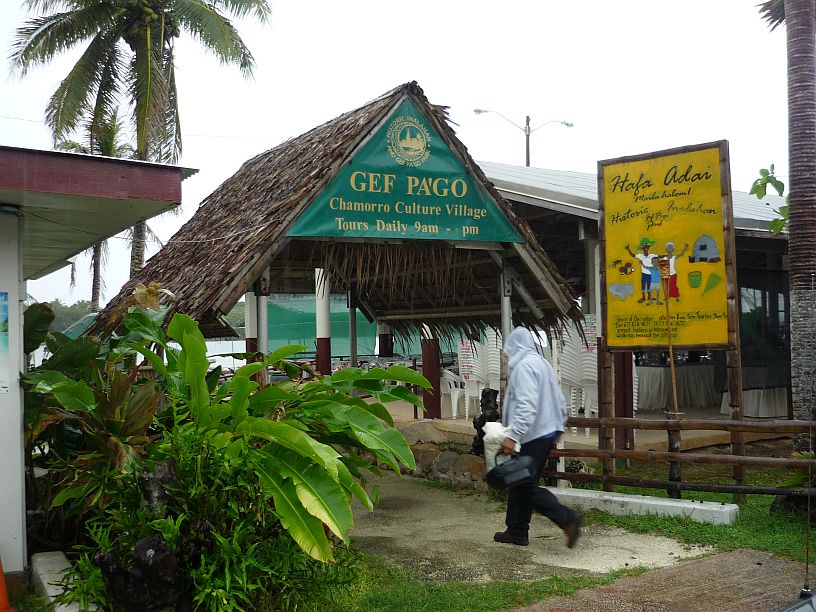
Chamorro Cultural Village is centrally located in Inarahan.  It is well worth the $10 ($6 for residents) to take the tour.

Chamorro Cultural Village is centrally located in Inarahan. It is well worth the $10 ($6 for residents) to take the tour.

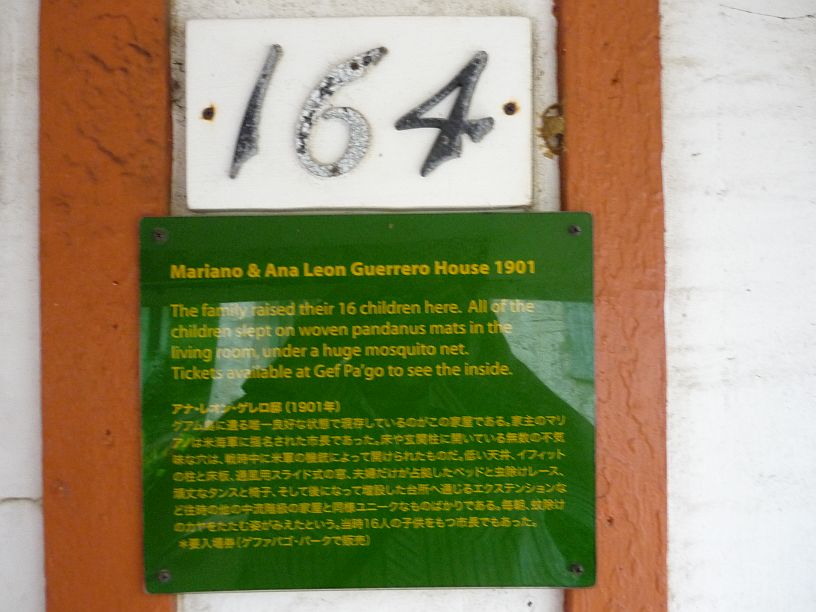
This old house was home for a family with 16 children.  The addition on the back was added later and is still occupied.

This two room house was home to a family with 16 children. The addition on the back was added later and is still occupied.

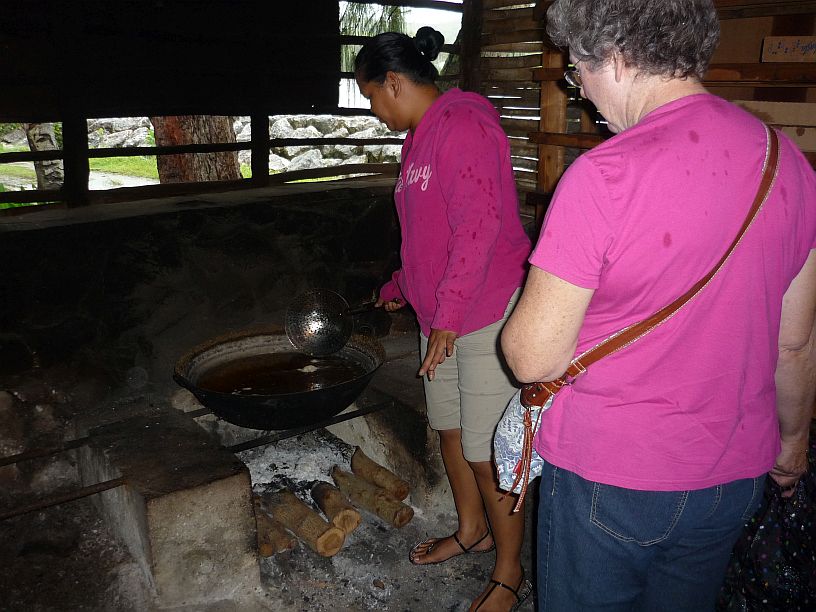
140726 -- OldHouseSignDemonstrating the making of salt from sea water.

Demonstrating the making of salt from sea water.

Normally the boxes of salt would be sitting in the sun to dry, but not this day!

Normally the boxes of salt would be sitting in the sun to dry, but not this day!

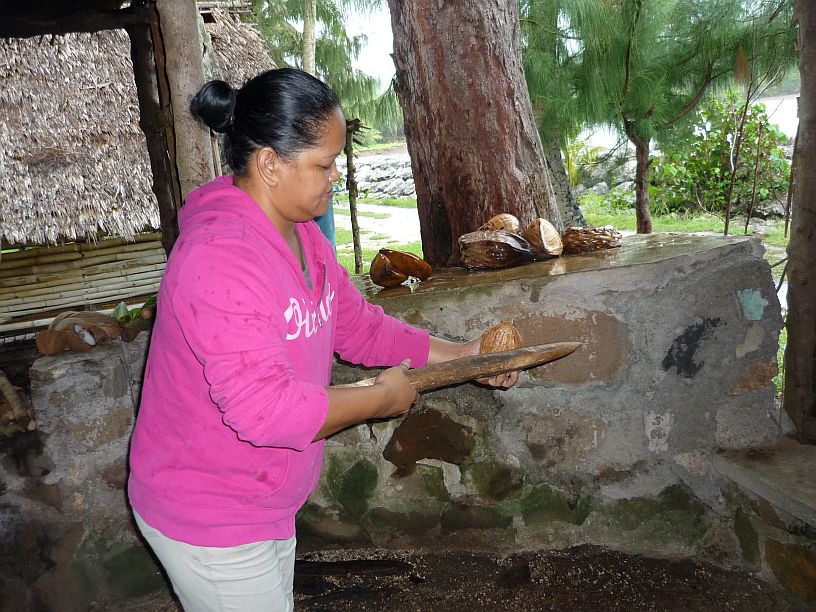
Making quick work of husking a coconut.

Making quick work of husking a coconut.

Using the same husking tool to crack the coconut open by wacking it around the sides.

Using the same husking tool to crack the coconut open by whacking it around the sides.

Virginia drinks the coconut milk.  The edges were amazingly straight considering how it was cracked open.

Virginia drinks the coconut milk. The edges were amazingly straight considering how it was cracked open.

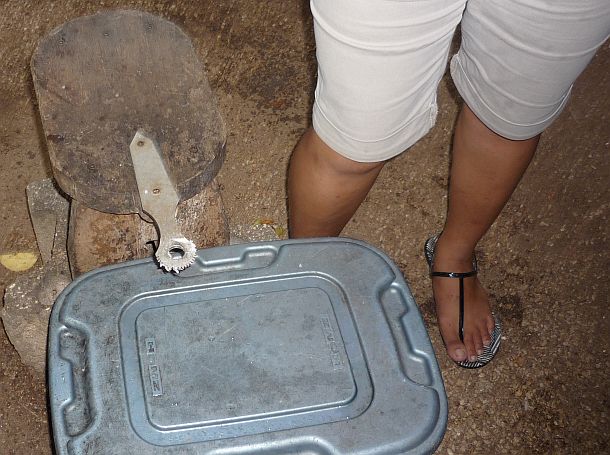
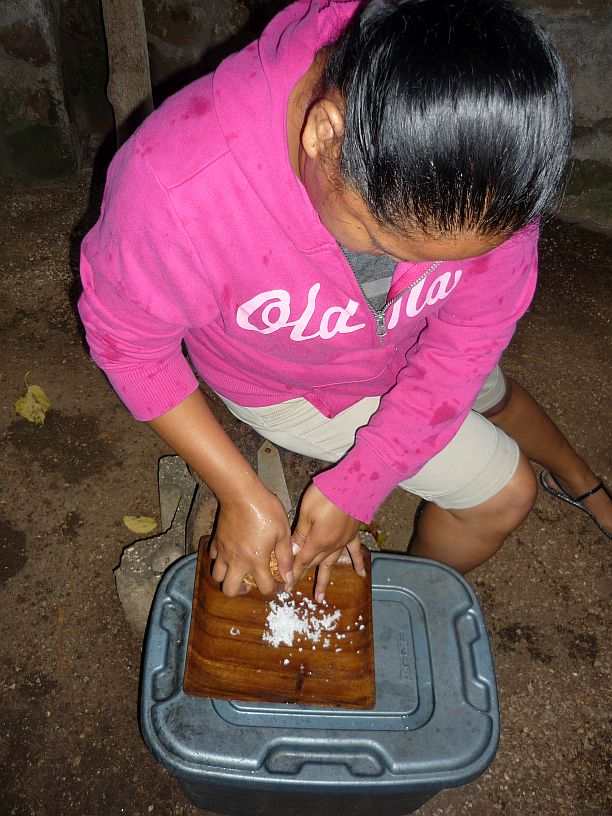
This tool is used to remove the 'meat' from the coconut.

This tool is used to remove the ‘meat’ from the coconut.

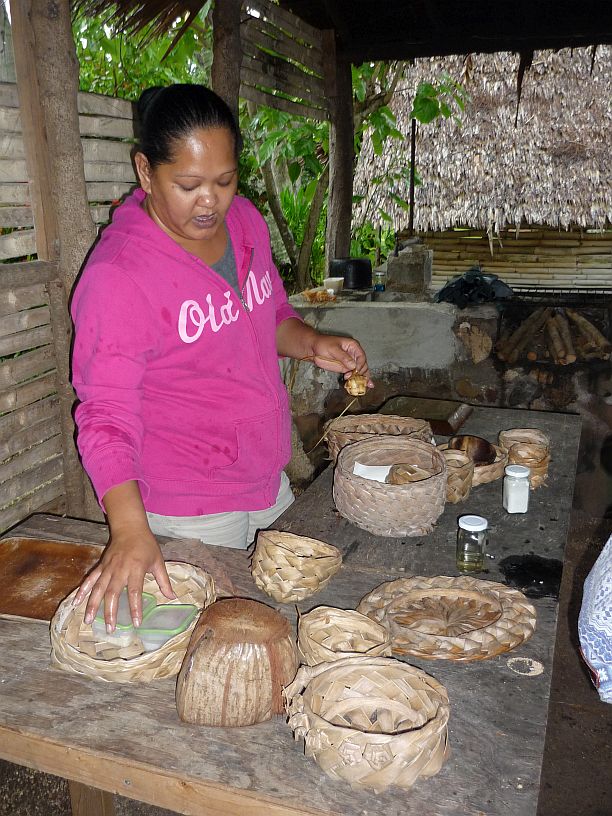
140726 -- ScrapingCoconutShowing some of the products made for the coconut trees.

Showing some of the products made for the coconut trees.

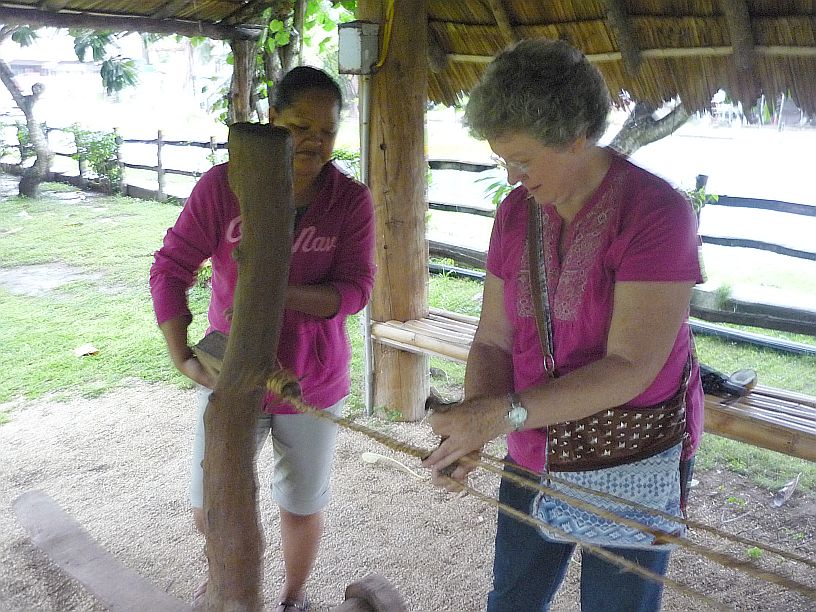
Removing the fiber from the bark of wild hibiscus to make rope.

Removing the fiber from the bark of wild hibiscus to make rope.

Winding the strands of rope together.

Winding the strands of rope tightly together.

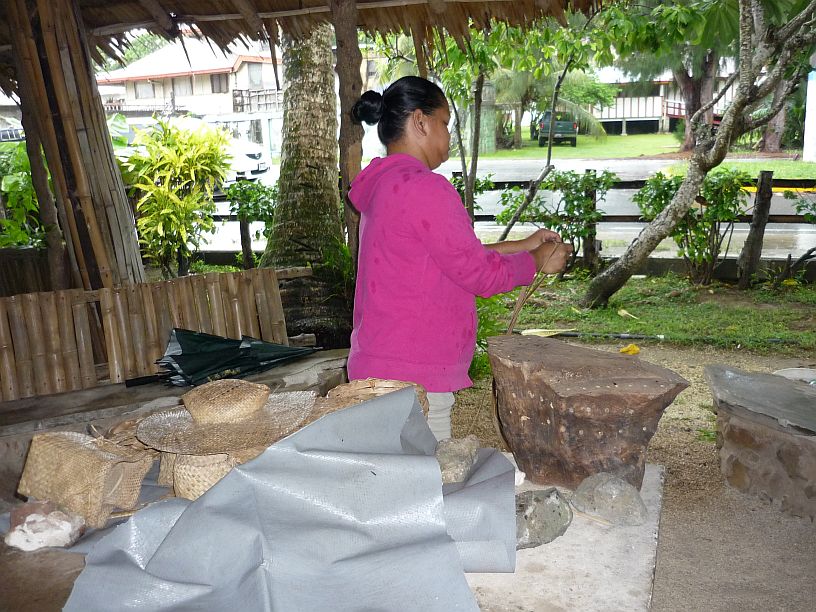
Striping pandanus leaves for making finer quality and longer lasting products.

Striping pandanus leaves for making finer quality, and longer lasting, products.

A community oven -- a baker did the baking as members of the community brought their meals to be cooked.

Community oven — a baker did the baking as members of the community brought their meals to be cooked.

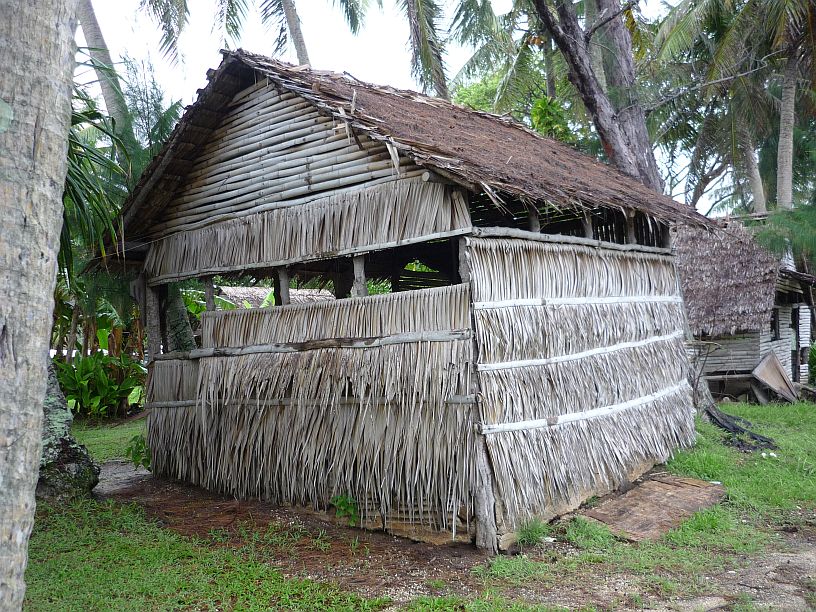
These Chamorro buildings are made of bamboo and banana plants.

These Chamorro buildings are made of bamboo and banana plants.

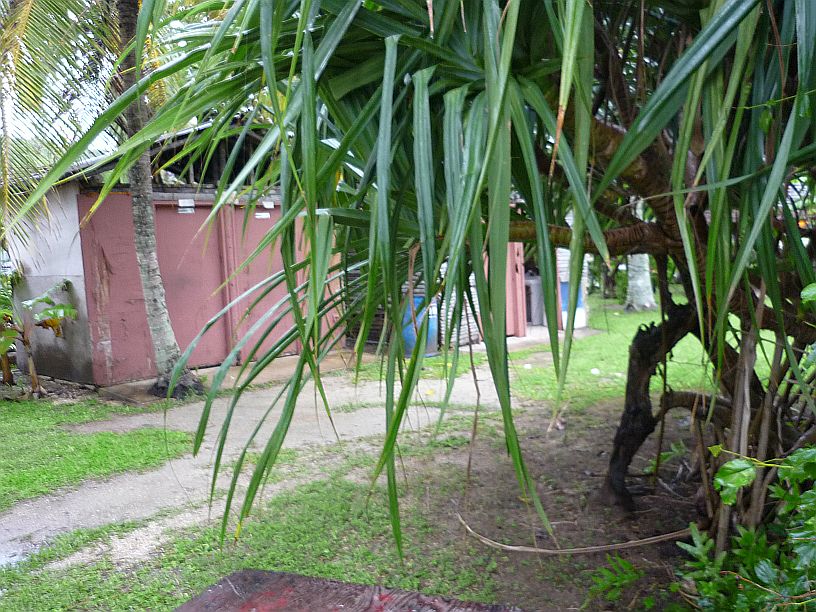
Although rustic, the restrooms are very modern compared to the Chamorro's original facilities!  The plants are pandanus palm.

Although rustic, we are sure these restrooms are very modern compared to the Chamorro’s original facilities!   The plants in the foreground are pandanus palm.

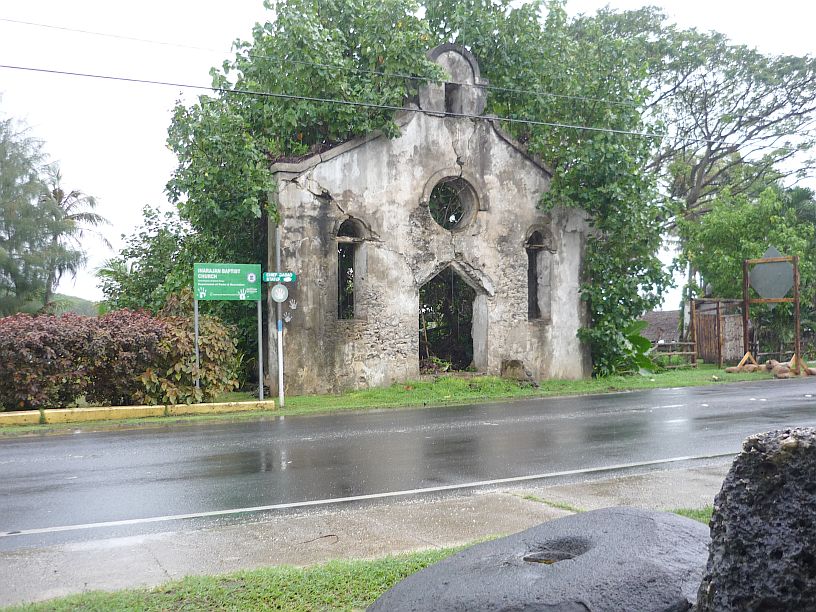
All that remains of this Baptist Church is the front.

Adjacent to the Chamorro Cultural Village are these Baptist Church ruins, supposedly built in 1925.   Now only the front wall remains.

The most I could find about the history of this church was at this website —

http://paleric.blogspot.com/2011/03/inarajan-baptist-church.html

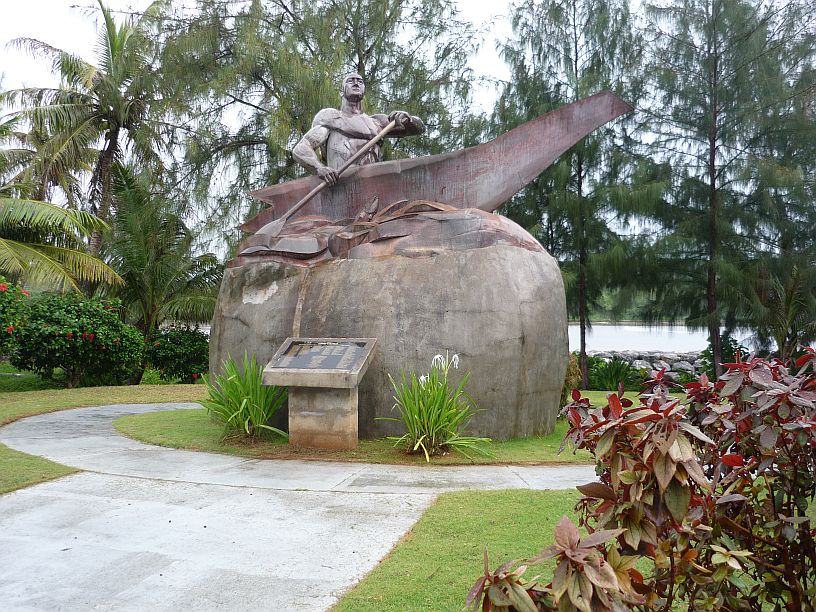
Adjacent to the Baptist Church ruins is this statue of Chief Gadao.

Adjacent to the Baptist Church ruins is this statue depicting the legend of Chief Gadao.

For a readable copy of the poem engraved on the plague —

http://ns.gov.gu/gadao.html

For a summarized version of the legend —

http://chiefgadao.tripod.com/id1.html

On the way home we stopped by Talofofo Bay, about a fourth of the way up the west side of Guam:

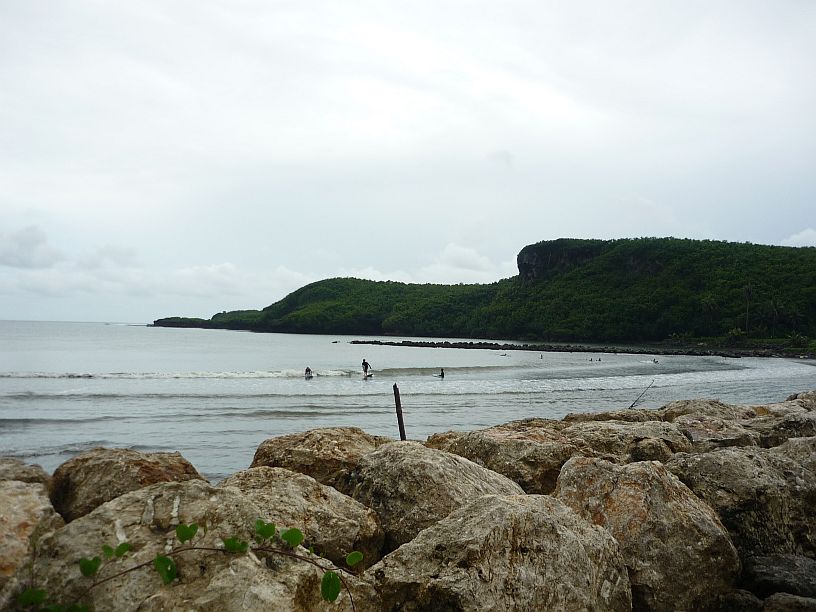
A few surfers were enjoying the waves at Talofofo Bay.

A few surfers were enjoying the waves at Talofofo Bay.

Looking down on Talofofo Bay and the surfers

Looking down on Talofofo Bay and the surfers — can’t you see them?!

Looking towards the inlet to Talofofo Bay

Looking towards the inlet to Talofofo Bay

We passed Talofofo Cave returning home, but decided it was too wet to stop.  Passing through the village of Talofofo, we joined up with the Cross Island Road (Rt 17) to complete our day’s trek.

2014/07/25 — Friday

I helped Mike with a couple of transmitter problems:

1.  TX6, one of the Thompson 250kw transmitters, had a  trip off last night due to low water flow.   The limit switch seemed to be set a little too sensitive and was readjusted.

2. TX5, the HC100 100kw transmitter, had a bad module.  The transmitter can operate normally with up to four faulty modules, but it is good to repair them when there is a break in transmissions.  The main switching IGBT (transistor) was shorted, so I replaced the IGBT and installed the module back into the HC100.

The HC100 module has been repaired and will be tested on the module tester before returning it to service.

The HC100 module has been repaired and was tested on the module test set before returning it to service.

There is quite a bit of technial information on my computer that might be valuable for TWR Guam to have.  Since the time of our departure is only a few days away, I spent a few hours sorting through that information and transferring the most helpful information to TWR Guam transmitter site’s technical files.

The trucking company called to inform us that the containers would not be picked up today, because there had been too much rain.  They thought the risk of getting stuck on the dirt roads at the site.  They were basing their assessment on the rain they were seeing on the north end of Guam.  Mike informed them that there was no rain on the south end of the island.  Unfortunately, it was too late for them to change their plans for the day.  We wonder what Monday will be like after an anticipated rainy weekend?

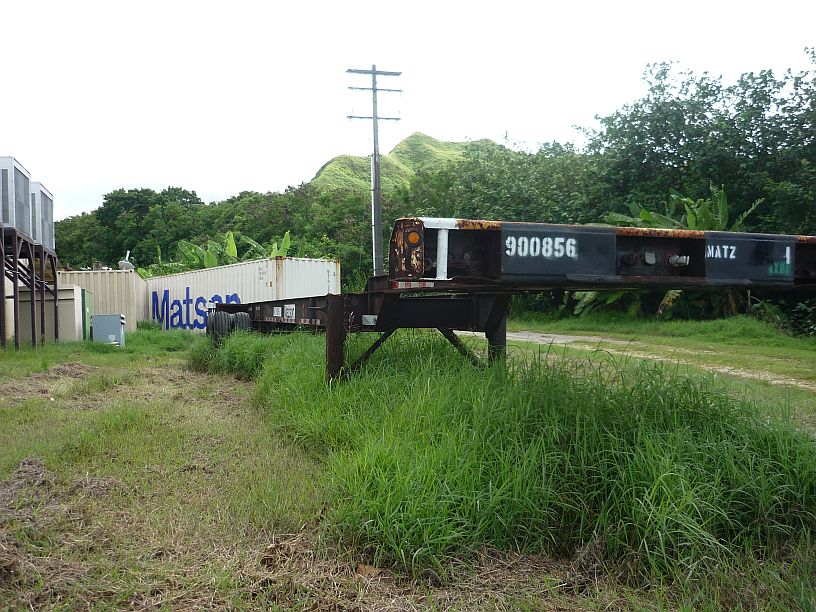
If the trucking company waits much longer, they might not be able to find this trailer that they parked at the transmitter site.

If the trucking company waits much longer, they might not be able to find this trailer that they parked at the transmitter site.  One of the two Matson containers to be picked up is in the background.

2014/07/24 — Thursday

Our morning started off with a Skype conference meeting with the Human Resources department at TWR Cary headquarters.  There were people from about 5 different locations involved in this meeting.  I continue to marvel at what can be done using today’s technology!

After the meeting, I continued to work on the adapter to connect the VIM probe to the balun.  This required some lathe work to make everything fit together.

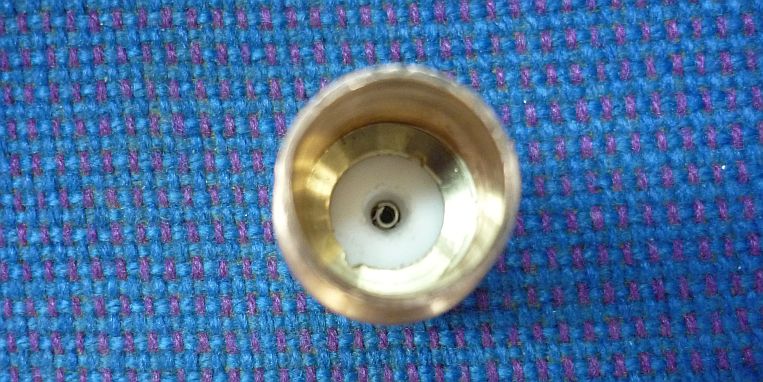
All the parts for assembling the connector, except for one.  I had to turn a plastic spacers on the lathe to hold everything together.  The lathe was also used to make the ring in this photo and to shorten the other end of the connector to make the probe fit better into its 'socket'.

All the parts for assembling the connector, except for one — I still had to turn a plastic spacer on the lathe to hold the parts snugly together. The lathe was also used to make the ring in this photo and to shorten the other end of the connector to make sure the probe fit to the correct depth into its ‘socket’.

The spacer made on the lathe is being held in place here by the ring.  Notches were made on the inner diameter of the ring to allow it to be tightened (or removed) using circlip pliers.

The spacer made on the lathe is being held in place here by the ring. Notches were made on the inner diameter of the ring to allow it to be tightened (or removed) using circlip pliers.

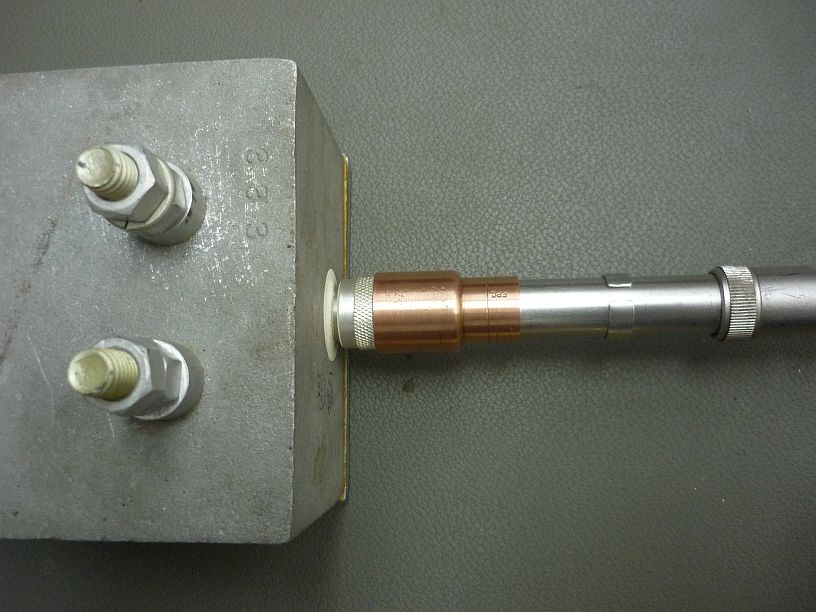
After the reducing coupling for copper pipe is pressed onto the connector, the project is complete.  The probe can now be connected neatly to the balun without danger of bending the probe tip.

After the reducing coupling for copper pipe is pressed onto the connector, the adapter is complete. The probe can now be connected to the balun without danger of damaging the fragile probe tip.

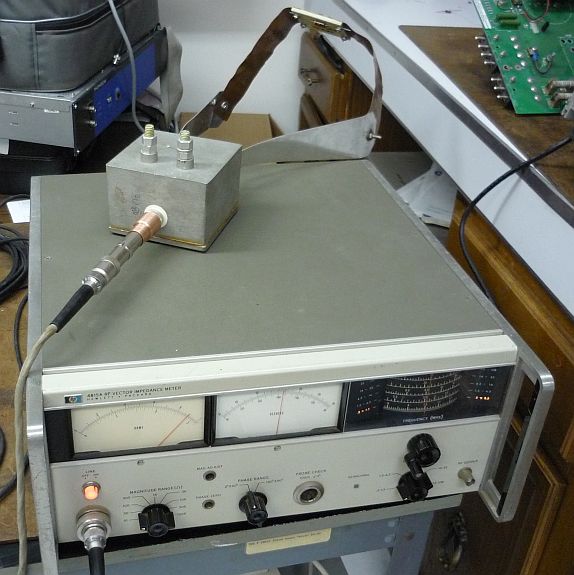
The Vector Impedance Meter and balun were now tested with a 300 ohm load.  The readings were correct from 3 to 20 MHz.  We can now be confident in the readings when the antenna switch matrix is measured to verify whether the impedance is correct.

The Vector Impedance Meter and balun were now tested using the 300 ohm load. The readings were correct from 1 to 24 MHz. We can now be confident in the readings when the antenna switch matrix is finally measured to verify whether its impedance is correct.

We learned that the two containers, with the old transmitters, are supposed to be loaded onto a ship on 30 July.  This means they should be picked up soon — preferably before this weekend’s anticipated rain.