15 Nov 2010 Monday

I spent all day at the office/studio today, mostly making up adapter cords for the various uninterruptible power supplies (UPS) so they can be put into service quickly, as needed in different places. All the UPS units used here are 110 volts only.

The large UPSs use huge 60 amp plugs for both input and output, but the smaller spare UPS use 30 amp twist locks for the input and standard 110 volt grounded plugs on the back for output. I installed a flexible extension coming out to the bottom of the circuit breaker box that feeds the large UPSs. A 30 amp breaker was installed to feed this cord and a 30 amp receptacle was connected to the other.

I then made up another extension with a standard 20 amp 110 volt grounded plug on one end to plug into the back of the smaller UPS. The other end has been stripped back to connect into either of the circuit panels that are fed by the big UPSs.

If one of the large UPS fails, all that needs to be done is remove the 60 amp cord, punch out one of the small knockouts in the bottom of its panel, pull the wires through the hole until the clamp is seated, tighten the lock nut and attach the wires (load, neutral and ground) in the right places. Hopefully this can be done is less than 5 minutes.

I would have preferred to make an extension with a standard 20 amp 110 volt grounded plug on one end and a 60 amp receptacle on the other end to mate with the current cord that plugs into the back of the large UPS which supplies the circuit breaker panel attached to its output. Unfortunately there are no 60 amp receptacles on Bonaire and to buy one from the U.S. would cost about $70, plus the time and expense to get it here. If by rare chance, I can find a surplus one somewhere when back in the U.S., I might try to get it for this application.

When I arrived home for lunch today, Virginia pointed out there was a baby gecko, less than two inches long, in the corner of the dining room and asked me to relocate it outside. The picture that we took of it was not in good focus, otherwise we would have included it here.

This evening we went for our regular swim and cooled off nicely. Hopefully the hot days in the mid 90Fs that we had when we came are past. Now the highs seem to be in the upper 80s cooling into the lower 80s at night. Yesterday morning the temperature got down to 73F during the rain. The lowest we have seen yet!
14 Nov 2010 Sunday

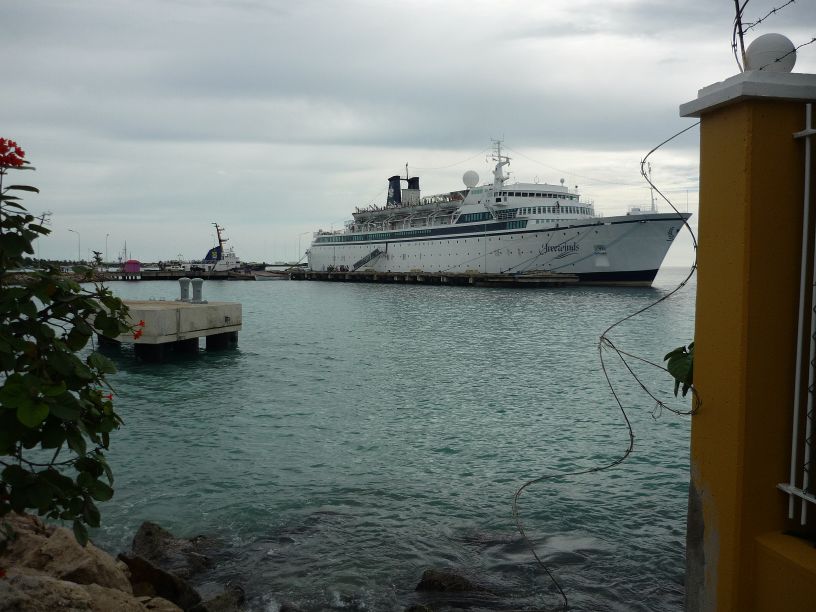
'Freewinds' was in port when we went to church. It is not as well received as most cruise ships and the vendors do not set up for it.

It was very rainy this morning. We were waken by thunder and pouring rain about 5am and it continued through much of the morning. I wondered how many people would be at church since quite a few walk. The people who live on their boat did not venture in. When the weather is uncertain, they need to stay with their boat and be ready To See why, Click on Freewinds to learn to do whatever to keep it and themselves safe. They may have had to be away from land because of the rough surf.

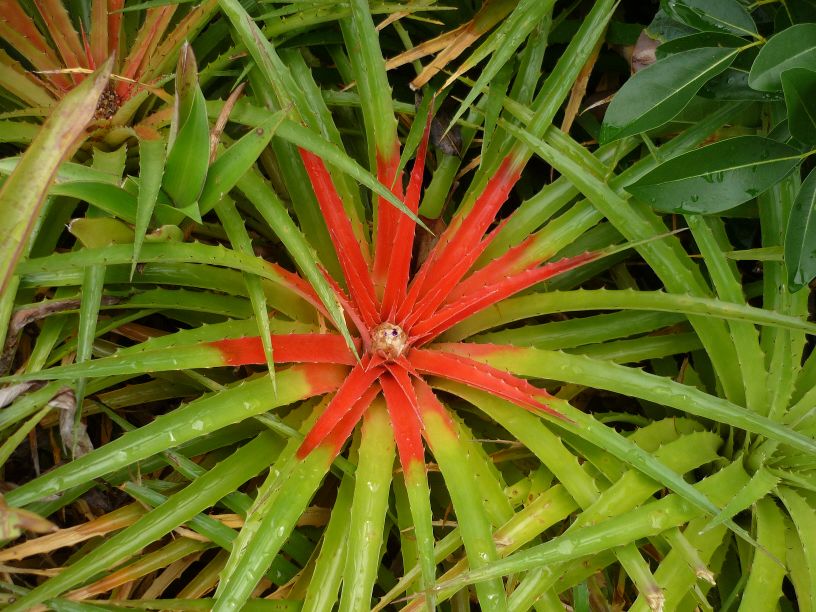
Pretty Plant at Captain Don's Habitat -- were still trying to find out what it is.

There was a good attendance in spite of the rain. The rain on the tin roof made hearing a little more difficult, but Pastor Baron continued with his sermon from Revelation 2:18-29.

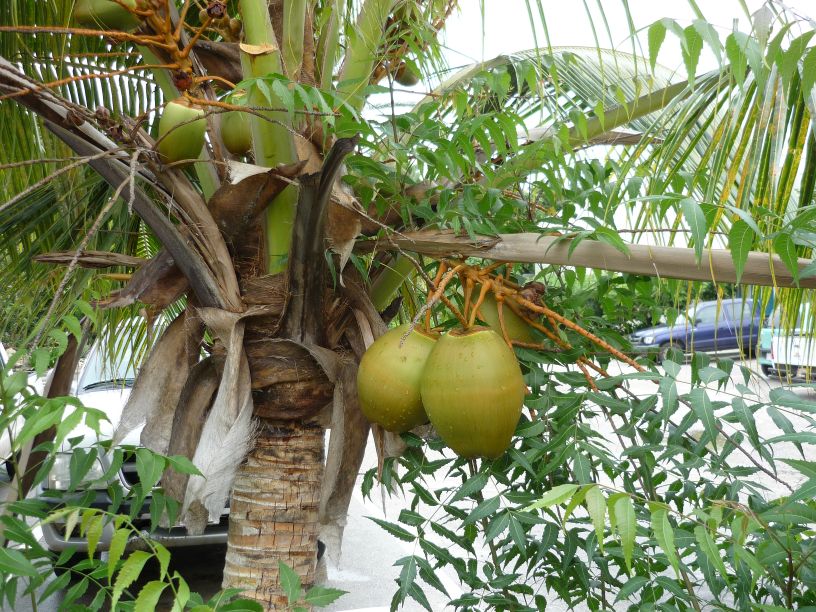
Coconut Palm at Captain Don's Habitat

I had an interesting conversation with a visitor to the church. She told me that she had been on a mission trip to China. Apparently, in the past she has made these trips and taught English. On one trip, she had been talking to a Chinese man and wondered at his good grasp of English. He told her that he had learned English by listening to TWR. TWR has programs where scripture is read and taught with very slow

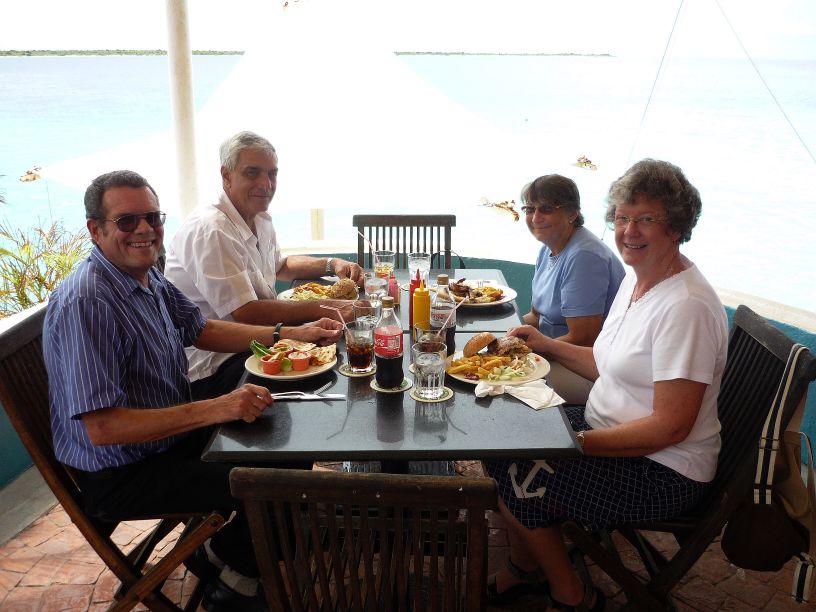
Dinner with Amado and Sue Felix

and careful speech, with the purpose of teaching English along with the scripture. Our conversation was interrupted so I did not find out if the man had become a believer from the broadcast but we do know that God’s Word was planted.

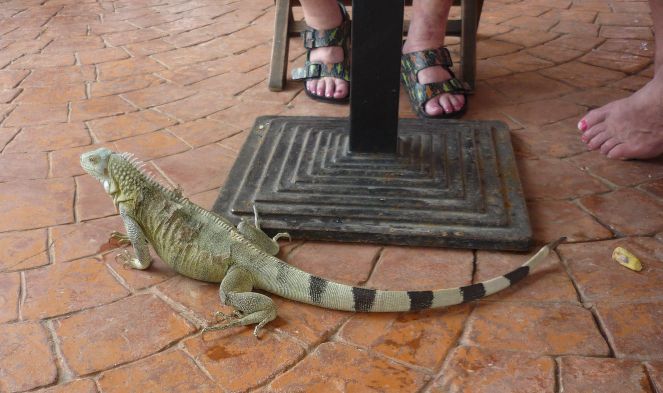
Large iquana under the table next to ours

We had a great lunch and fellowship with friends Amado and Sue Felix at the Rum Runners Restaurant located at Captain Don’s Habitat. Many fond memories from 40 years ago were part of our conversation. The waves were high again today and the splashing went well above our heads.

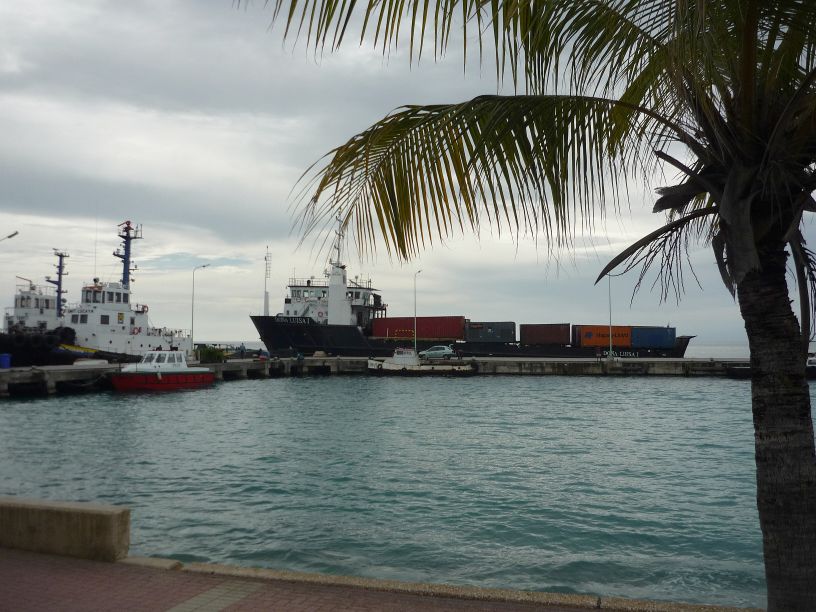
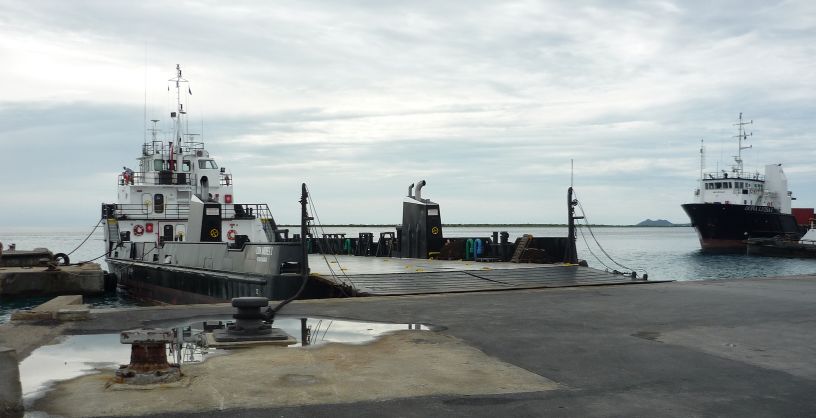
Dona Luisa I at North Pier

Fortunately the splashing just missed reaching our table. The eating level just beyond and below us was closed. Also while eating, there were several iguanas roaming around looking for handouts. We counted almost a dozen of various sizes as we left.

Don Andreas I ready to load (Dona Luisa I at right)

On our way home, we saw Dona Luisa I loaded and ready to leave for Curacao tomorrow. It can hold up to thirty 30 foot containers on trailers. The Aggreko generator sets from the site made up some of the cargo.

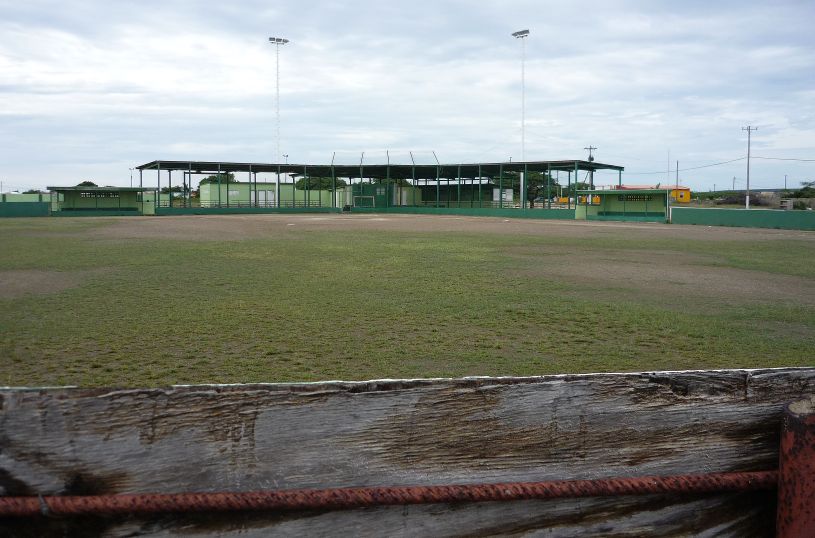
Baseball is Bonaire's most popular sport, not soccer.

We also saw Dona Luisa I‘s older and smaller ‘sister’, Don Andreas I, empty and ready to load at the dock near customs.

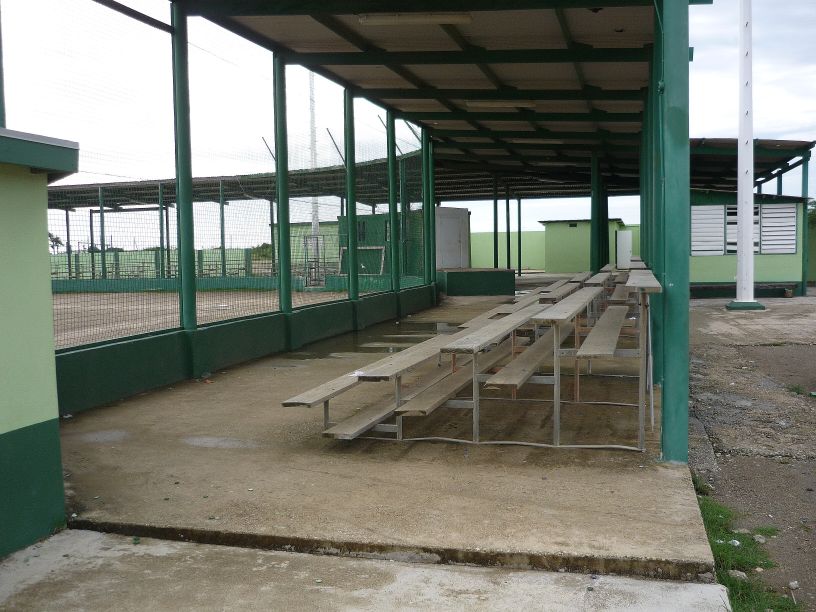
The Best Seats!

NOTE — To see a bigger (and in some cases, expanded) version of any of the images, just click on the one you want to enlarge.

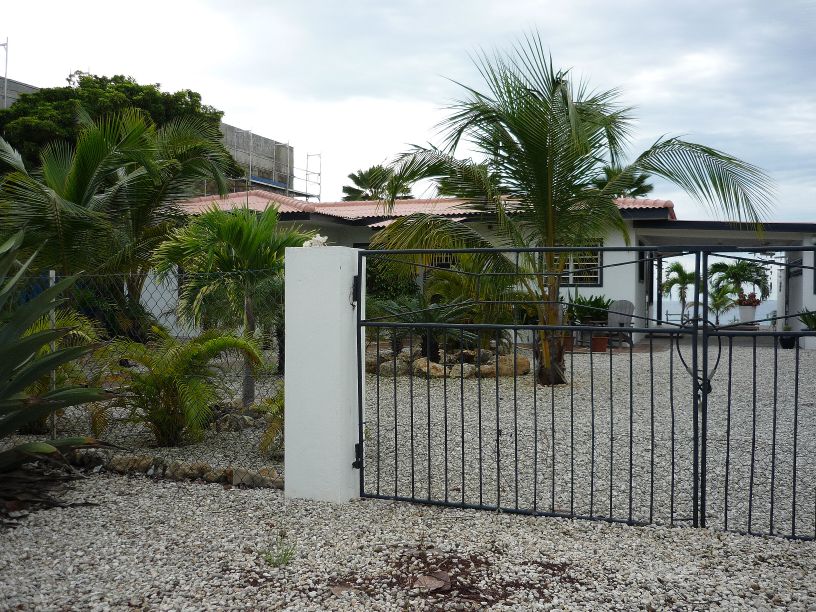
One of the seafront houses that TWR used to own just south of the airport. We lived in one just like it that was next door when no other houses were there. Now they are being replaced by huge houses or condos. One can be seen in the left background.

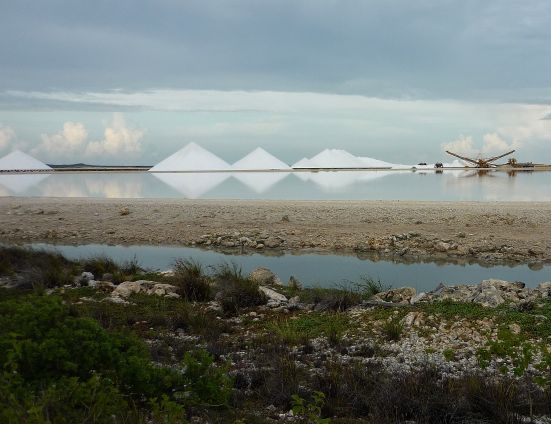
Looking north toward the salt 'mountains', which are located about a mile south of TWR's transmitter site.

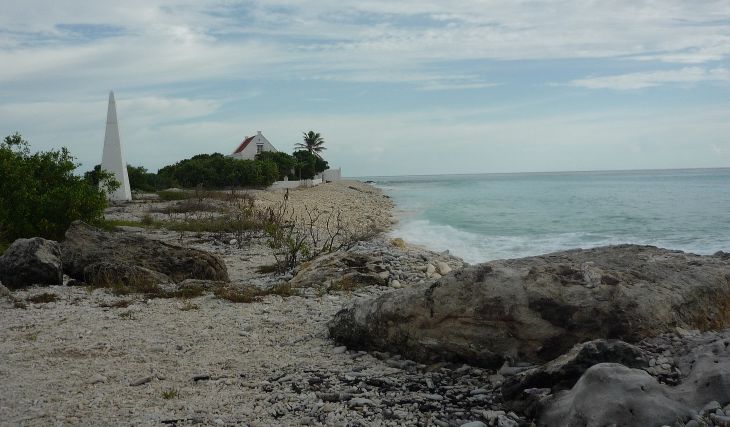
A blue obelisk stands at Salt Pier. In this photo a little further south is a white obelisk marking 'white salt pan'

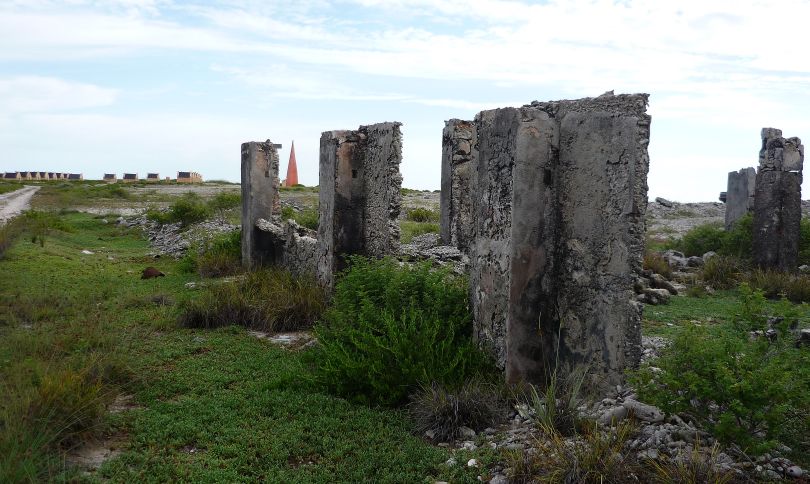
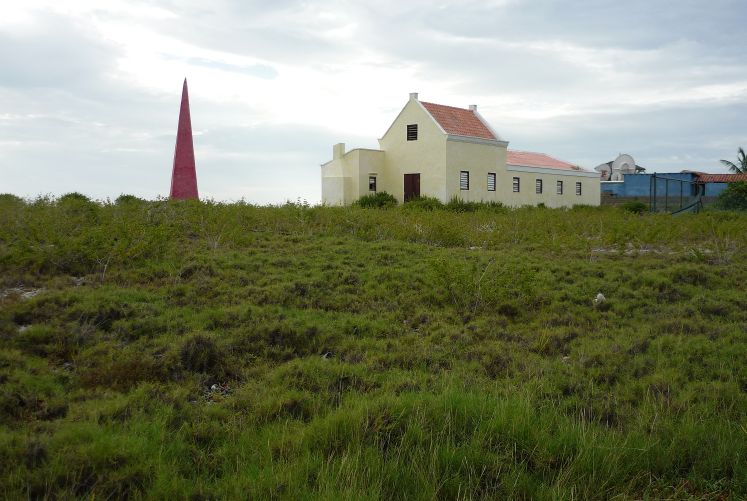
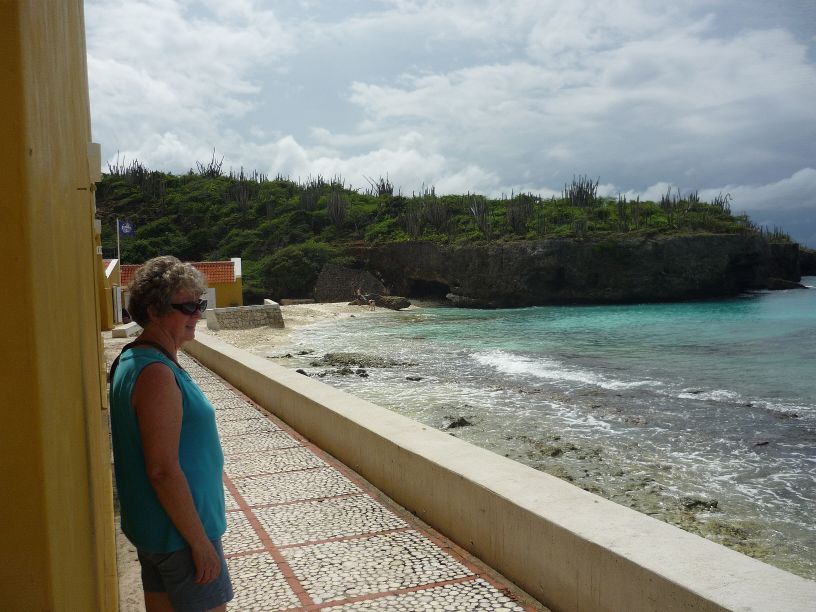
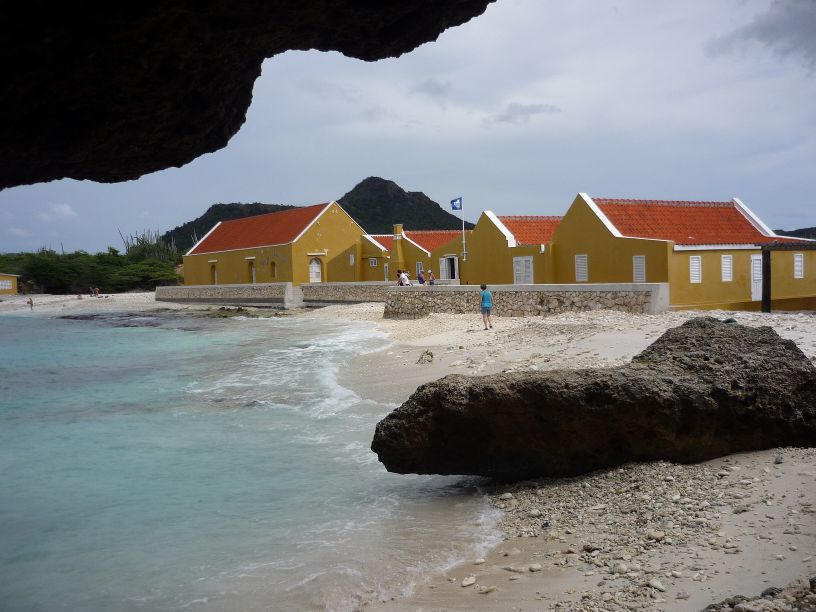
The southernmost obelisk is at 'Orange Salt Pan'. The restored 'slave huts' can be seen in the left background.

South of the white obelisk is 'red salt pan'

Click Bonaire salt to learn more about the history of the different colors of obelisks.

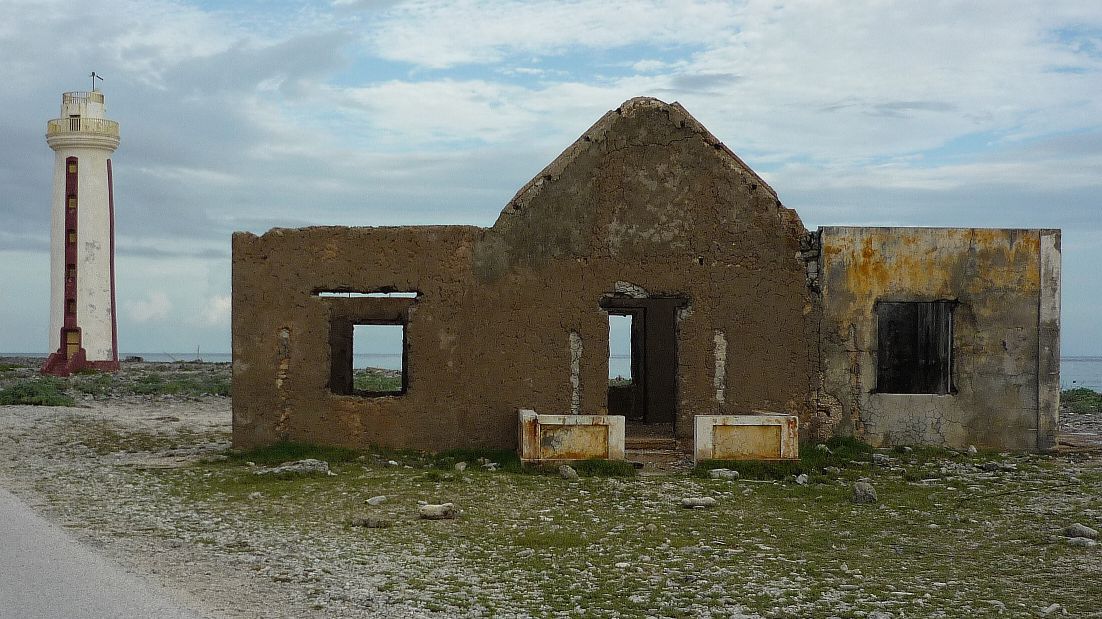
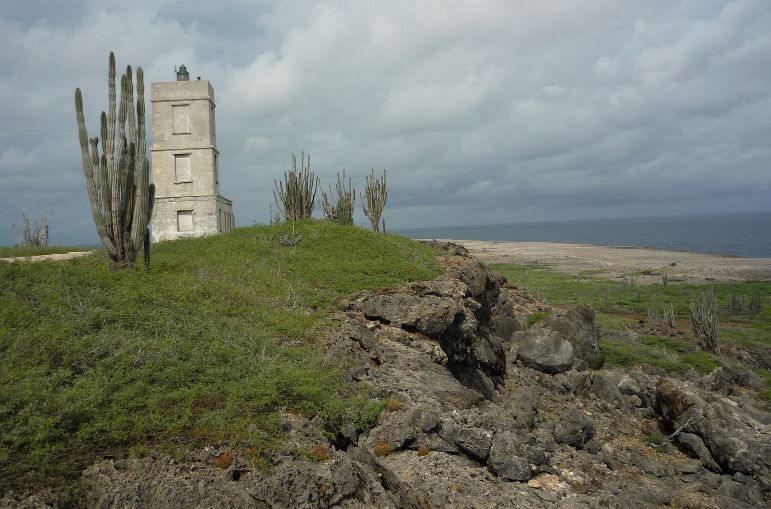
Lacre Punt (Willwmstoren) Lighthouse at the south tip of Bonaire

Every time we got out of the car this afternoon as we traveled toward the south end, the mosquitoes swarmed us. Must be because of the abundance of rain we have had combined with the lack of wind. We got out of the car only long enough to snap the photos.

Tonight we got in a short swim, but I got tossed around by the waves. Larry swam in deeper water and didn’t notice it as much. The mosquitoes found us when we got out though!

UPDATE

If you haven’t checked our ’13 Nov 2010 Saturday’ blog entry since 9:35 pm on Monday 15 Nov, it is now completed and has a lot more pictures from our visit to Washington Slagbaai National Park. Scroll down to see the photos added within the last couple of hours.

13 Nov 2010 Saturday

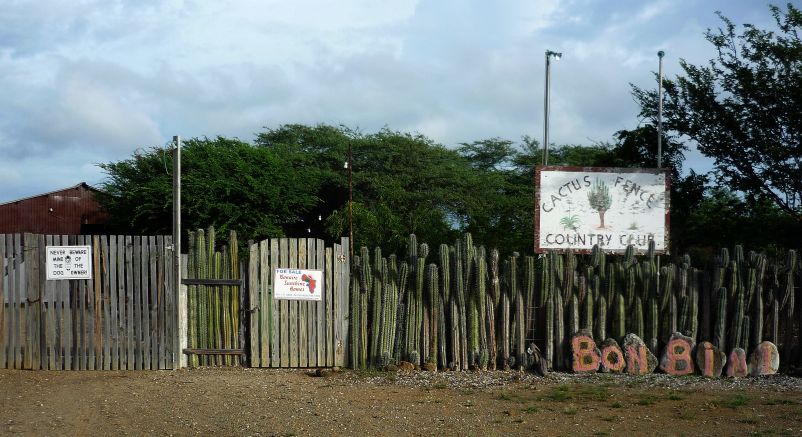
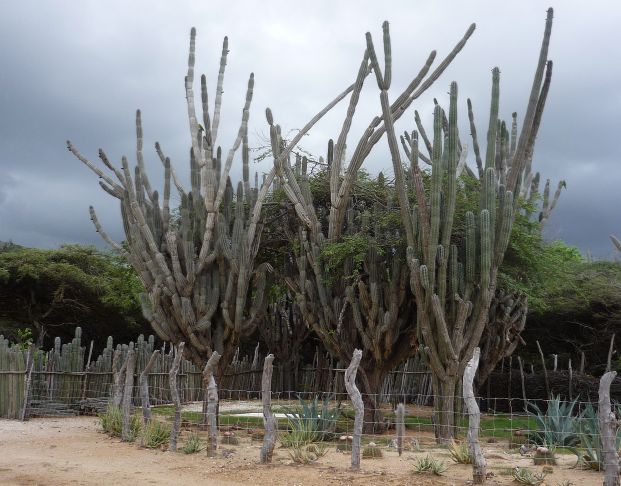
Cactus Fence Country Club -- Anyone want to join? Location -- just outside the national park

Yesterday we traded the Toyota Tercel we had been driving for the Suzuki Samurai, a 4 wheel drive jeep type vehicle. We left home about 7am to go to Washington Slagbaai National Park on the north end of Bonaire for the day. The entrance

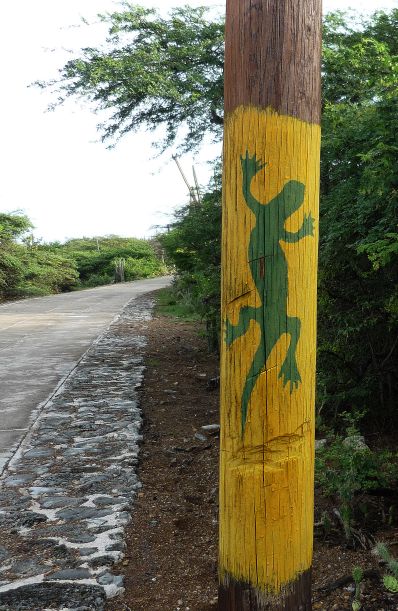
Road to the park is marked on every other telephone pole.

opens at 8am and we were the second vehicle to enter. Here are photos of our day:

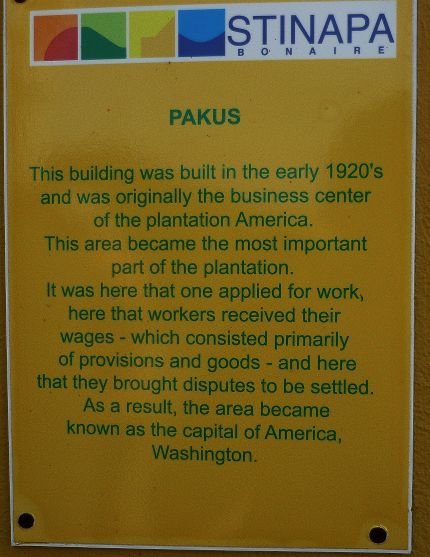
Interesting origin of park's name.

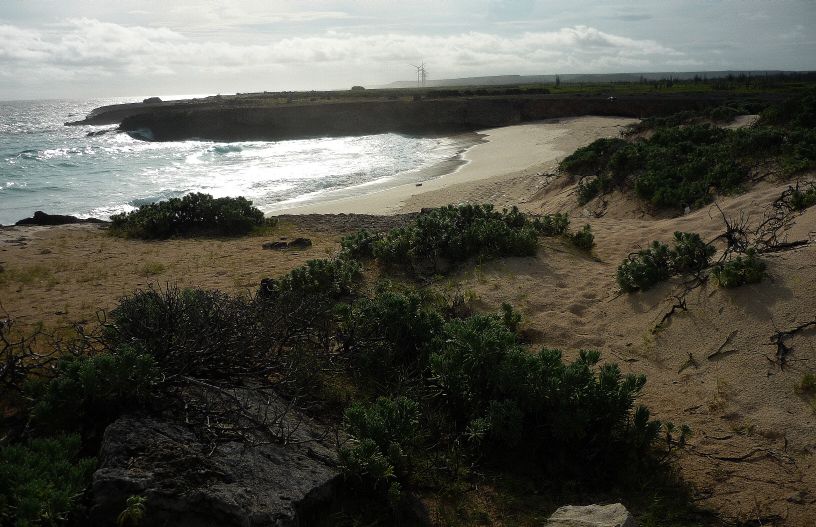
Playa Chikitu -- Notice wind turbines in distance

Click Playa Chikitu for panoramic view, but notice the big difference in apparent distances. Panorama camera uses a very wide angle lens making objects appear more distant than they are.

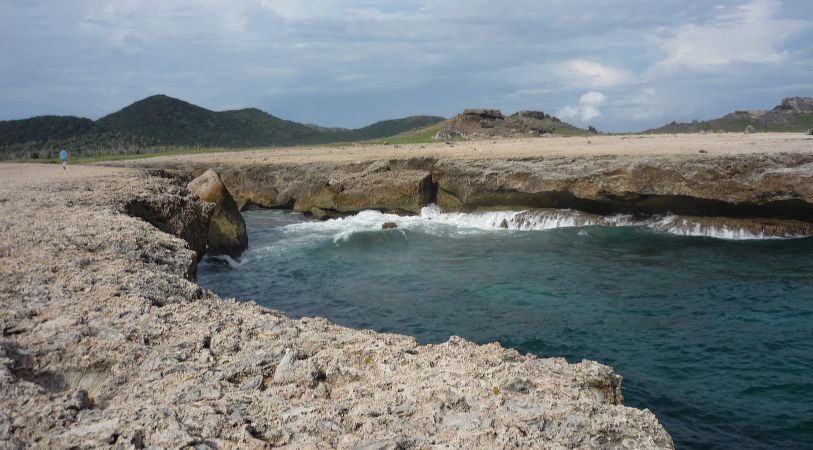
Boka Chitiku

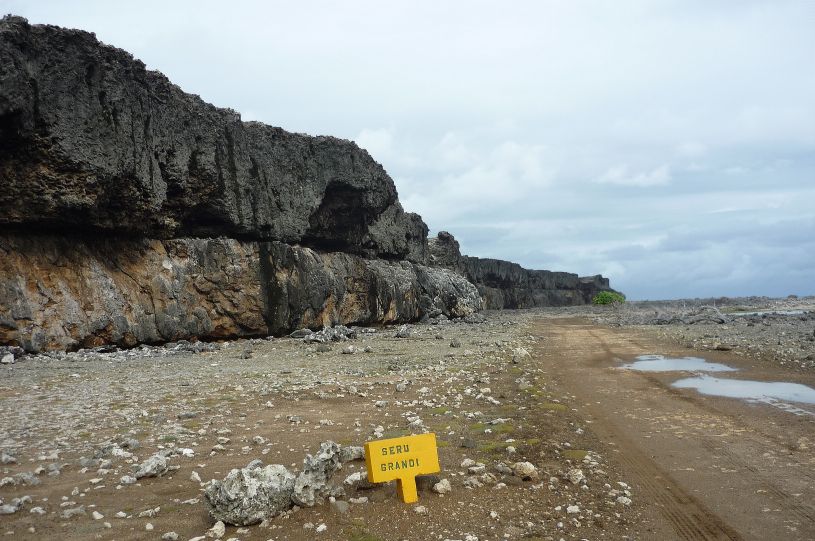
Seru Grandi

NOTE — To see a bigger (and in some cases, expanded) version of any of the images, just click on the one you want to enlarge.

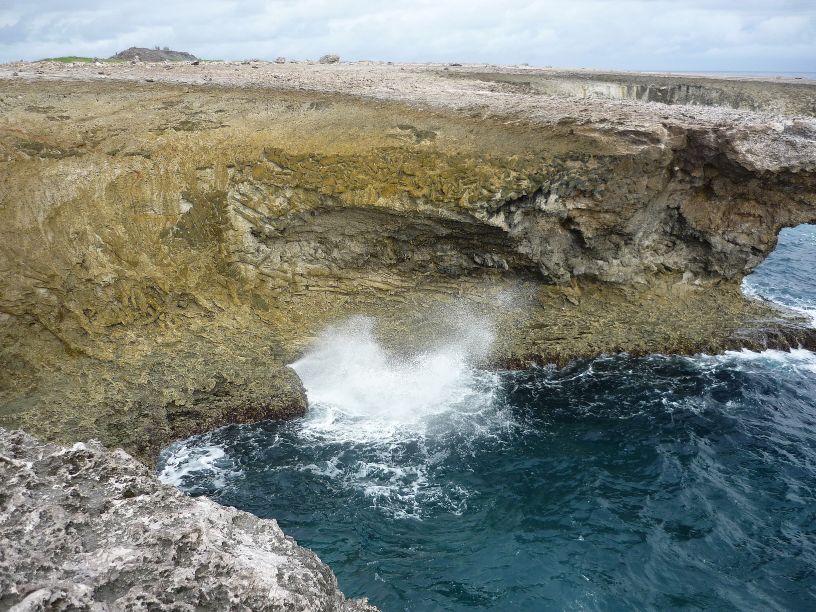
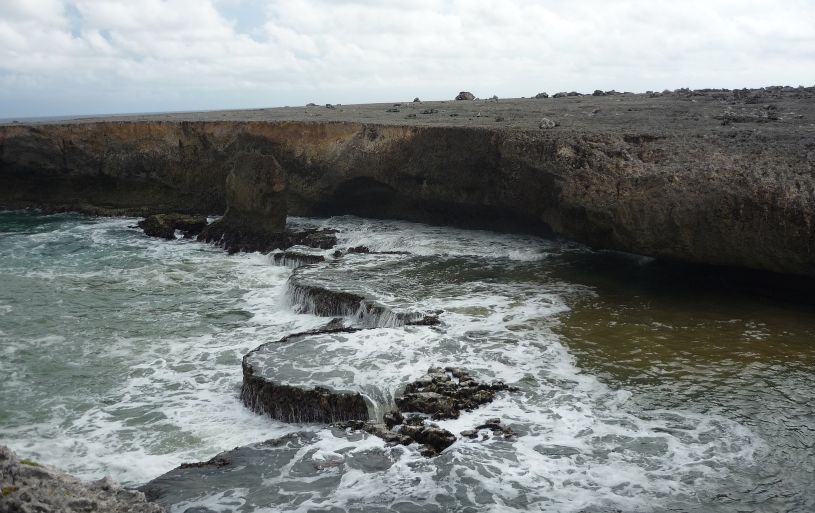
Suplado (Blow Hole) -- this one is different than the one shown previously. A wave compressed air and water into the hole which is later released with spectacular spray.

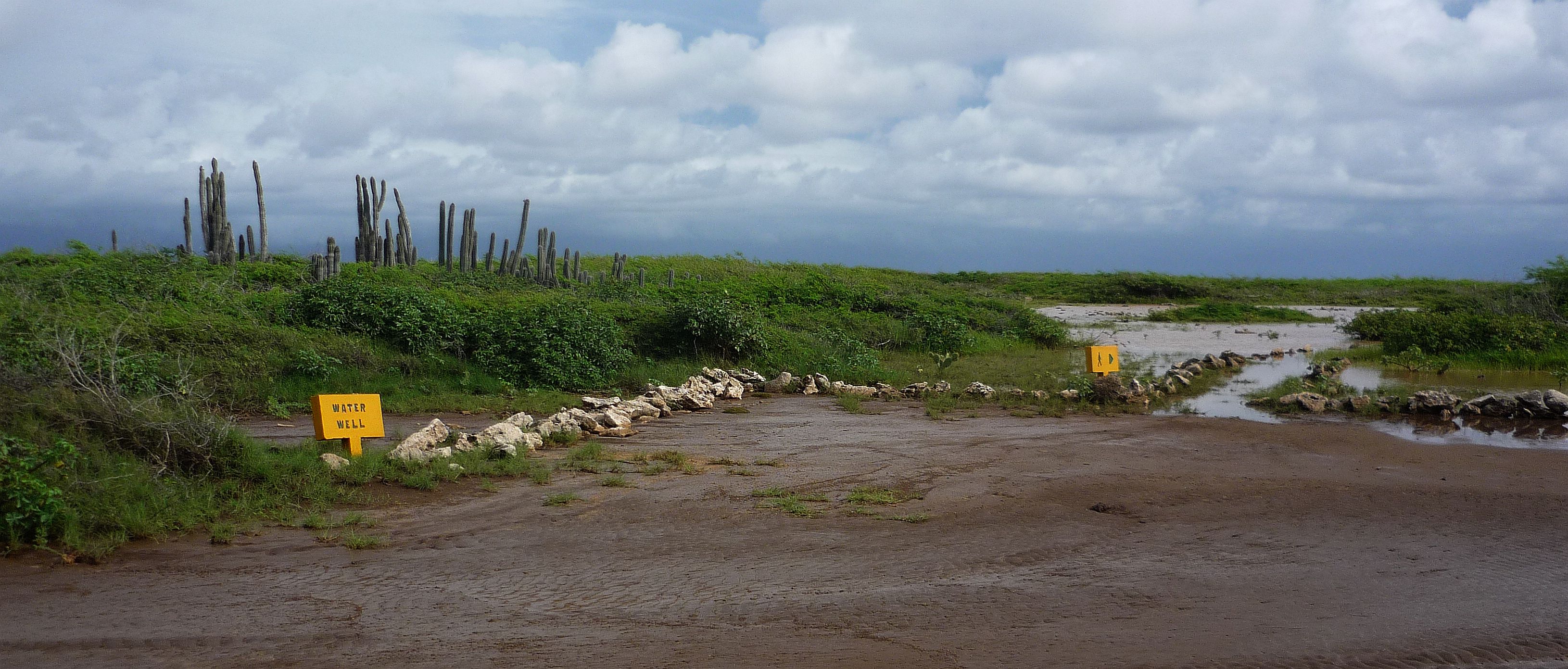
Water Well under water!!

Boka Kokolishi

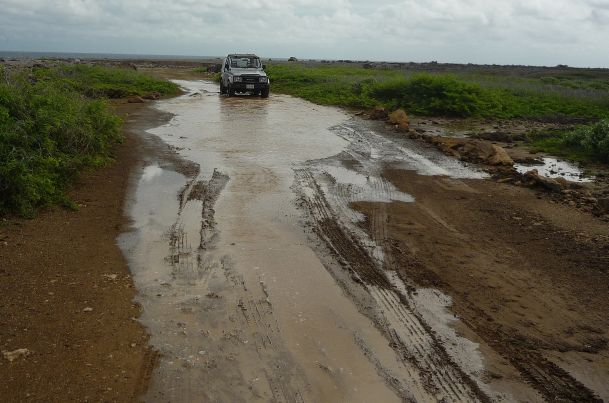
One of many reasons for high clearance vehicle!

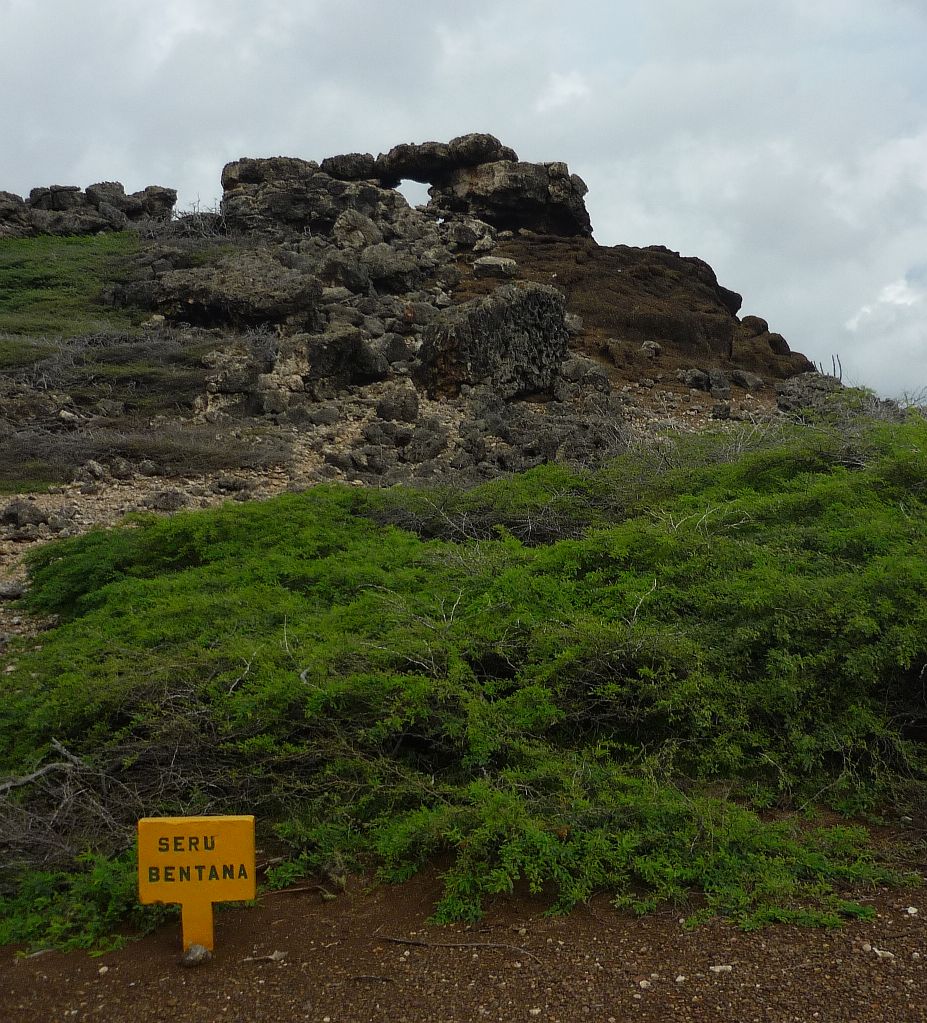
Seru Bentana translates 'hill window'

Seru Bentana (North) Lighthouse

Boka Bartol

BokaBartol panorama

Playa Funchi (Playa = Beach)

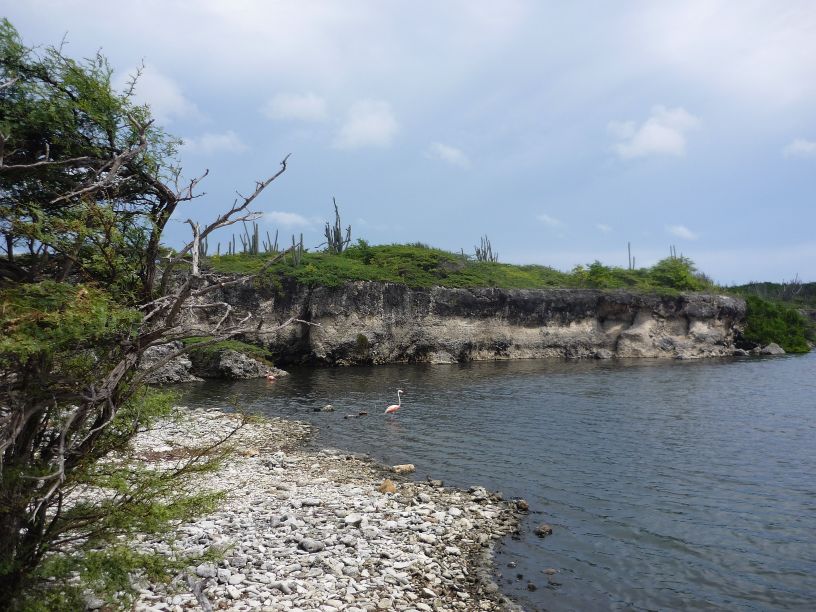
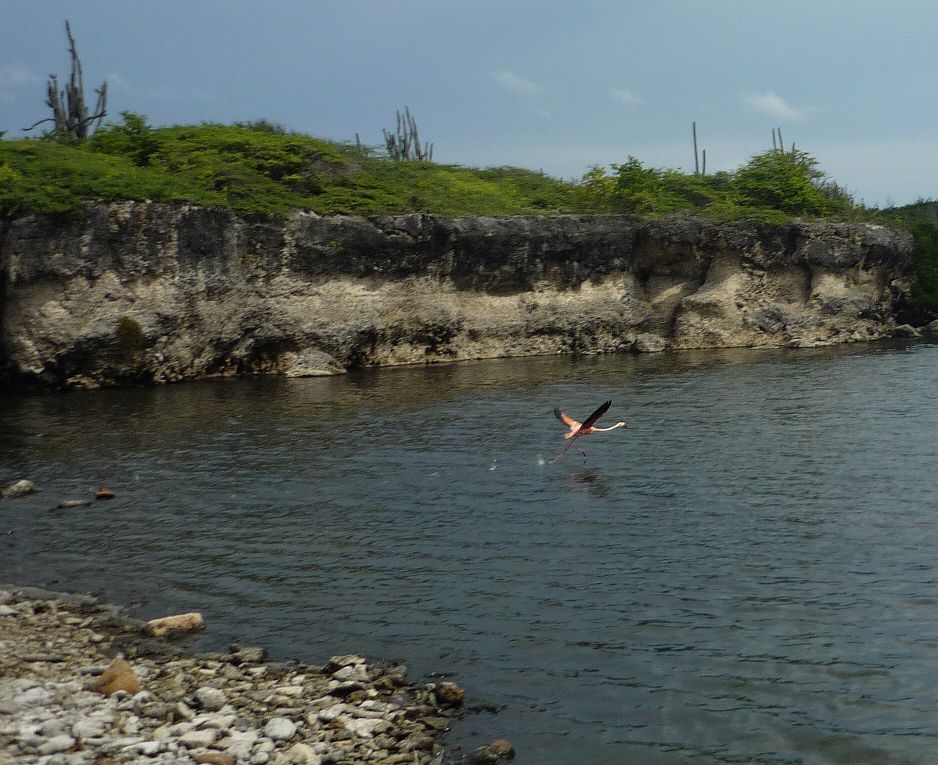
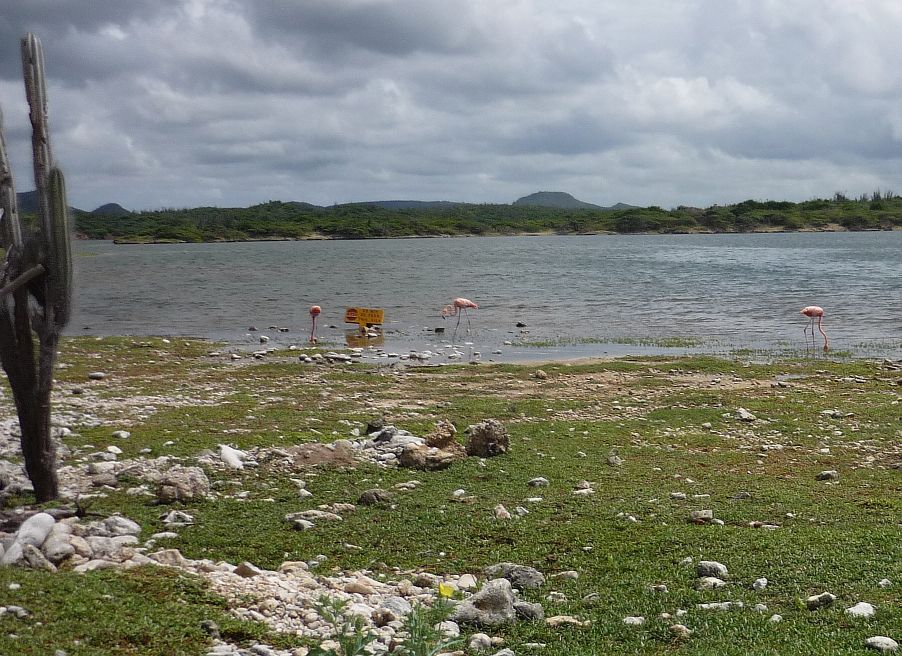
Flamingos next to Playa Funchi

Flying Flamingo

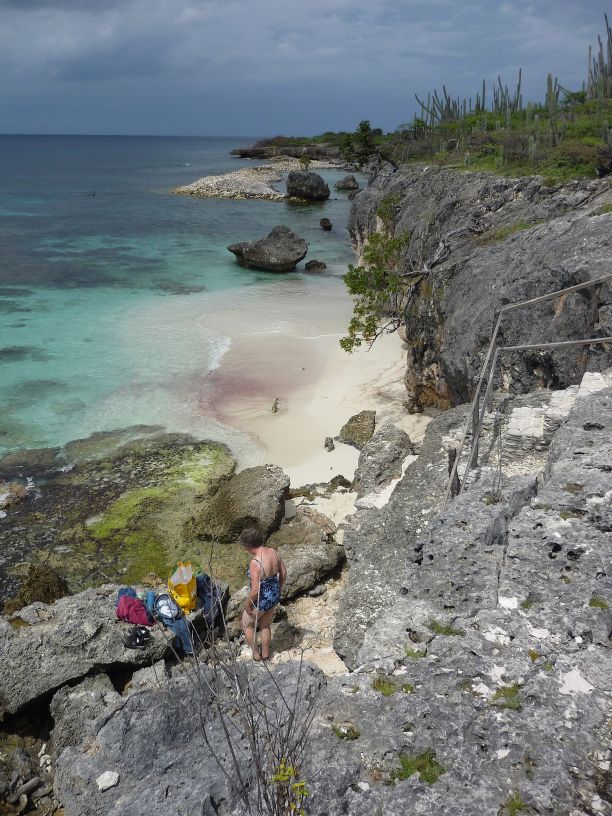
Wayaka Beach with some pink sand

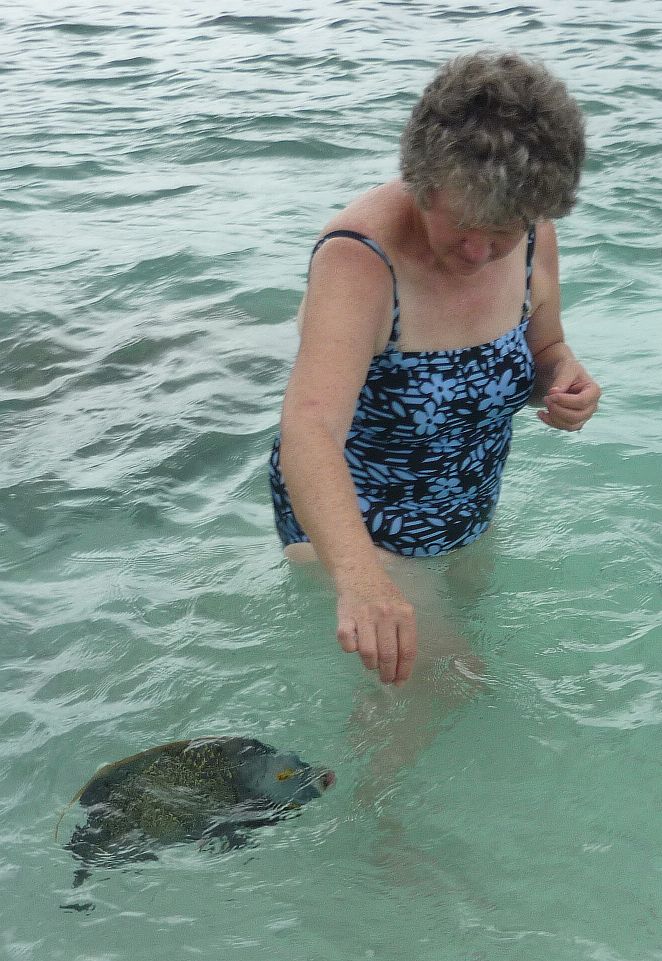
Virginia and a French Angel Fish

At Wayaka beach, several varieties of fish came right up to us. There were Blue Tang, Sargent Major, Yellow Goatfish, and most impressive of all, French Angelfish. There was also one that looked like a Bar Jack and then some small black ones. The only black ones we could find listed at a nearby dive site were Black Durgon, but, if so, these were small ones.

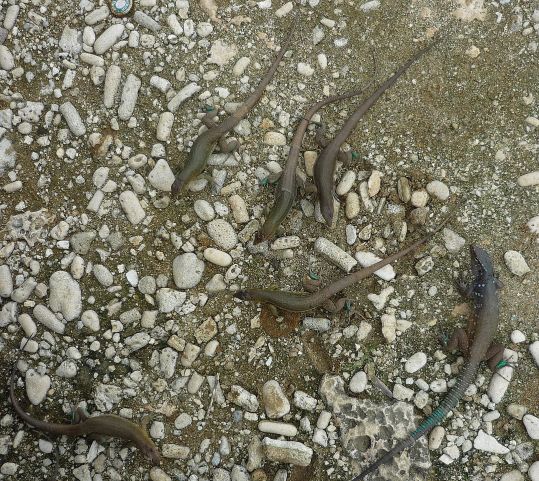
As we ate our lunch, dozens of lizarda gathered under our feet to catch any crumbs. Virginia had one crawl over her bare foot!
Slagbaai looking south

Flamingos at Salina Slagbaai

Slagbaai looking north

Click on Slagbaai panorama.

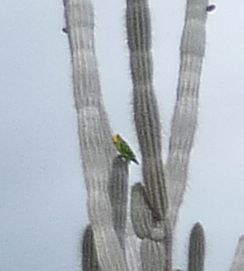
Parrot #1 is located on the extreme right arm of the rightmost cactus.

There were at least 6 parrots on this cactus. We have located two. Can you locate them, and others?

Parrrot #2 is located just to the right of the tallest 'arm' of the left cactus and down about 5 feet.

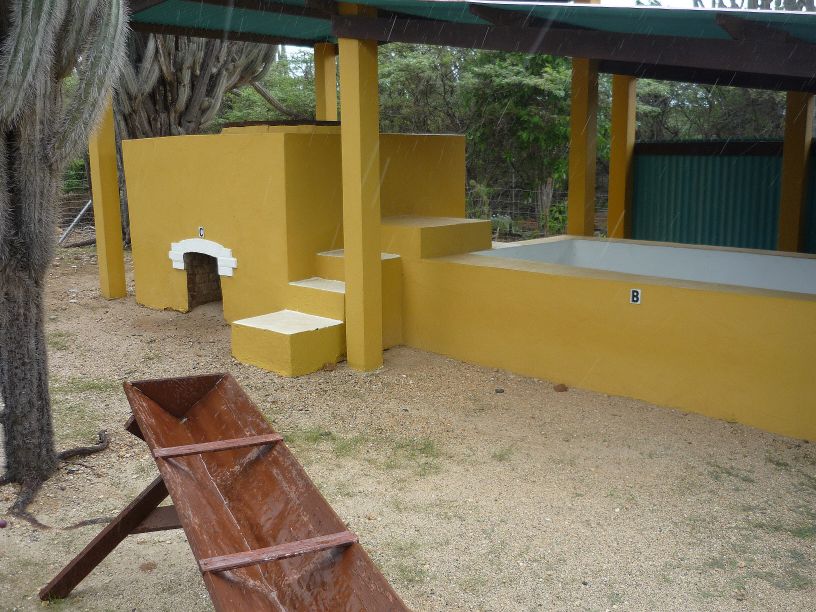
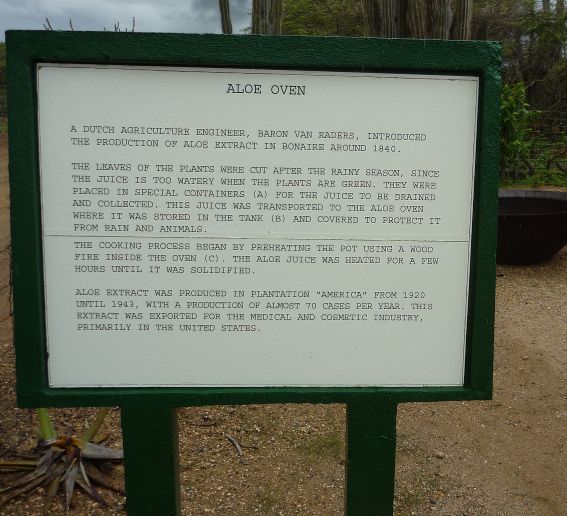
Drain trough, tank, and oven used in making of aloe extract.

We arrived back at the entrance gate about 3pm, and then it began to rain. We got out just in time! Now we spent a few minutes at the museum and displays.
Alonso de Ojeda and Amerigo Vespucci landed on Bonaire in

Notice the 'pot' used in the oven for making aloe extract to the right of this sign.

1499 and claimed it for Spain. This, the north part of Bonaire, was settled around 1580 A.D. by the Spaniards. In 1633, the Dutch took control of the island.

Aloe Plants

Fontein, between Rincon and Kralendijk, is the site of a spring around which an early settlement was established.

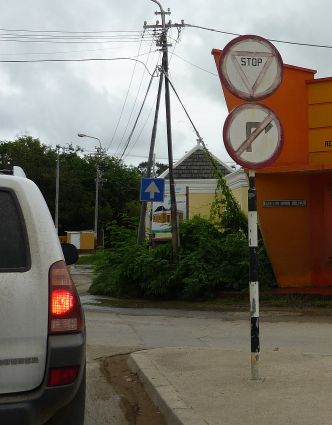
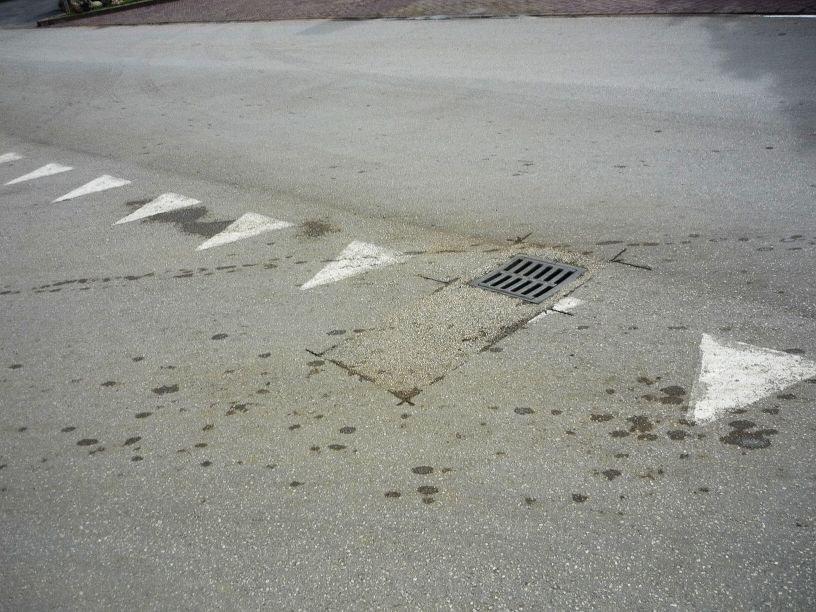
One of two stop signs on the island of Bonaire. There are no traffic lights. Traffic moves surprisingly well using mostly yield symbols painted on the pavement.

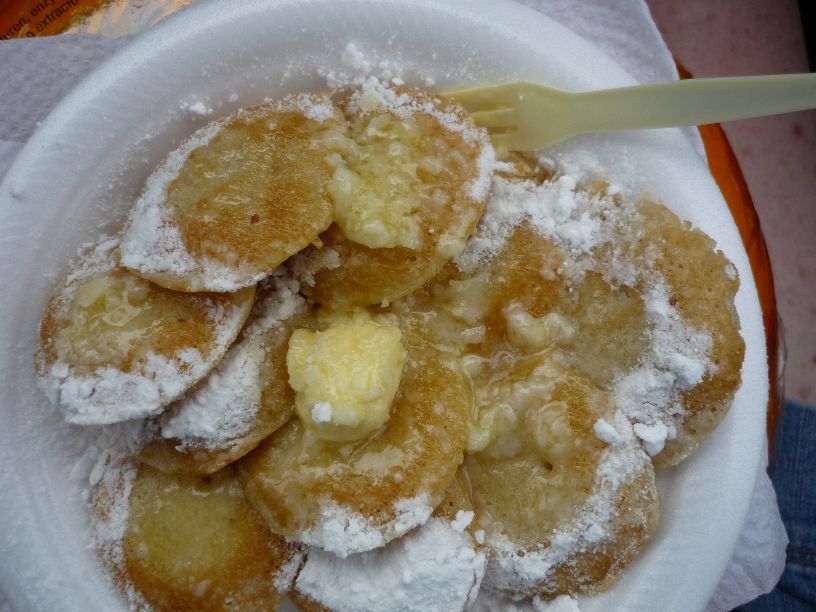
We bought some 'poffertjes' from a vendor next to Warehouse Bonaire Supermarket. They are like mini pancakes with butter and powdered sugar.

An example of yield sign painted on the road

This evening we went for a swim, but ended it after a few minutes of being tossed about by the heavy surf.

Interesting site for fish sightings at dive sites around Bonaire:
http://www.reef.org/db/reports/geo/TWA/8503/1993-01-01/2008-12-31

12 Nov 2010 Friday

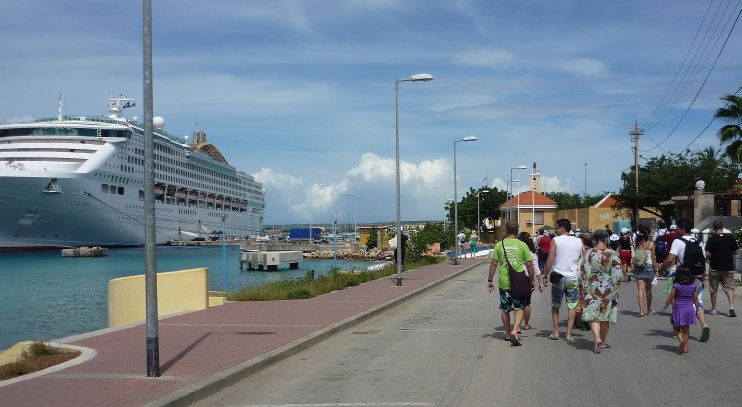
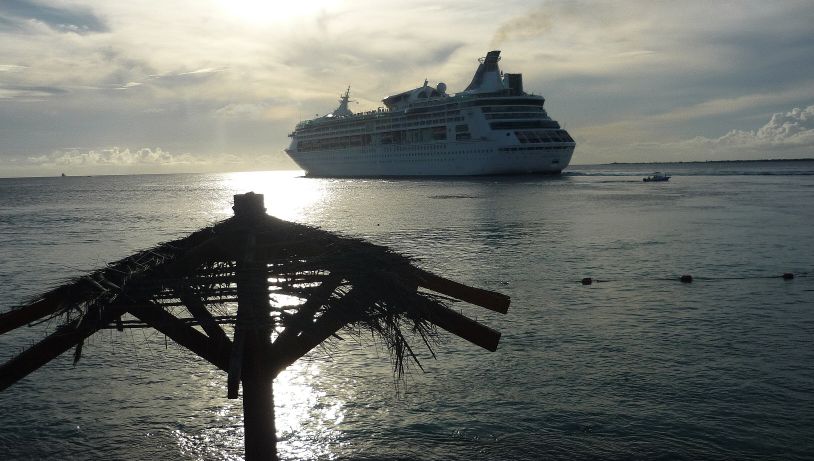
Today was the big day to reinstall the second UPS at the office/studio. On the way into the office, I noticed that one ship, Oceana, was already docked and Grandeur of the Seas was coming in and about a hundred meters from the dock. (See Virginia’s blog for more details)

Tourists blocking the road going into town and these are just from the one ship not seen in this photo

After devotions, Joe and I finalized plans for the transfer of certain loads back onto the second UPS. The FM transmitter was on the air, so we decided to shut down briefly and temporarily transfer the necessary equipment onto one of the smaller UPSs received on Monday. This would ease the rush to make the other transfers.

When the second UPS had been moved to the site, all of its vital UPS loads had to be connected to the first UPS. This required temporarily jumpering the wiring between the load centers for the two UPS units. Now we needed to return all this wiring to its original configuration.

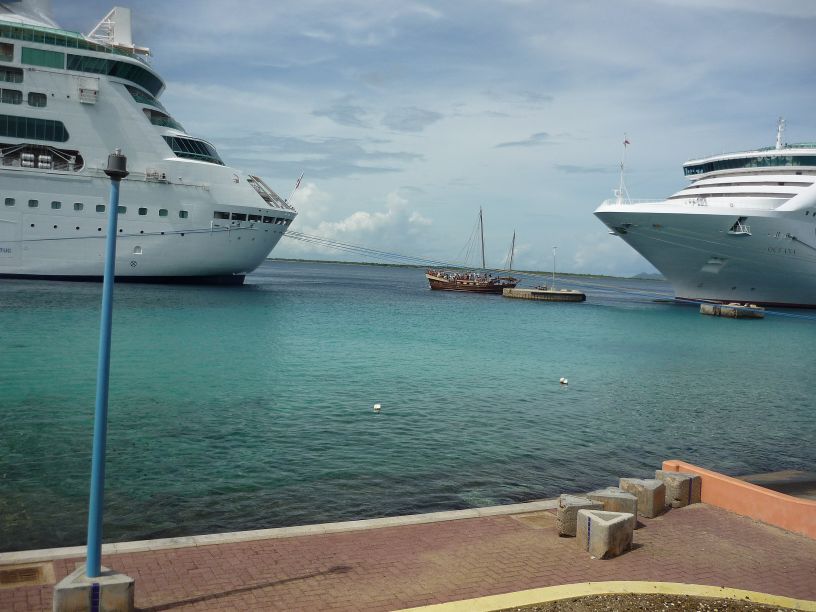
The rather large sailing vessel is dwarfed by the cruise ships!

It was possible to do this without shutting down power to the Intelsat (satellite communications) equipment. All the Intelsat connections were on the right side of the load center of the ‘live’ UPS. By leaving the UPS running, shutting off all the breakers on the left side, and covering up the ‘hot’ feed at the top of the load center, it was possible to work on the left side without fear of getting a shock. All the temporary jumpers were connected to the left side, so we pulled them out (loads and neutrals) one-by-one and connected them back to their previous positions in the other load center, This transfer work took about an hour to complete.

That being completed, we fired up the second UPS and put it on line. After everything was verified as functioning properly, the FM was briefly shut down to restore everything to ‘normal’. Now for a sight of relief that this was done!

After lunch, I turned my attention to the smaller UPS that had failed at the site some months ago. Since it would cost more to repair it, than it cost to purchase the new units, it was decided to salvage the batteries, which are identical to the ones in the larger UPS.

Also since the larger UPSs are the same brand as the smaller failed one, there are a lot of parts the two sizes have in common. I next stripped these parts out of the smaller unit to be saved as spare parts for the larger ones. This included some of the screws that I had noticed were missing, or mismatched, on the covers of the large UPS. The rest of the unit will be scrapped. Now to find a box in which to store these parts that will fit on the same shelf as the other stocked parts.

Joe wanted to more evenly distribute all the electrical loads in the building for better loading on the standby generator when it is needed. We noticed that phase 1 had about a 20% higher loading than the other two and decided that the UPSs should be on the other two. Initially UPS(A) was on phase 1 and UPS (B) was on phase 2. There is a slight difference in the loading of the two UPSs which was also used to help balance the loads. We ended up with UPS(A) on phase 2 and UPS(B) on phase 3. With this arrangement there was less than 5% difference between all phases.

Earlier in the day, Benny had mentioned that the motion sensor at the transmitter site had not ‘seen’ him when he ‘disarmed’ the system yesterday. After work, Virginia and I prepared for a swim at Bachelor Beach (it is Friday night and Divi Flamingo Beach is full of partiers).

On the way, we went by the transmitter site to return some parts and to check out the motions sensor. It worked, but could probably be more sensitive. Will have to check to see if there is any adjustment on it.

Grandeur of the Seas leaving about 4:30 pm

We noticed that the United Tenorio was gone from the Salt Pier. For the past two or three days there has been a large ship hanging off shore a mile or two. It looks like it may be an oil tanker waiting for a berth at BOPEC.

We started our swim at Bachelor Beach (I think we used to call it Lime Beach) just about sunset and was able to watch the Oceana leave headed for Aruba. The Grandeur of the Seas had departed about 4:30.

When we got out of the water at Bachelor Beach, the mosquitoes attacked in mass. It was so bad, that I didn’t bother to put on my shoes and socks to get to our car. My feet hurt from walking on the coral, but the mosquitoes felt worse. I guess no more late swims there!